Project pathway
The quickest route to the right decision.
Do not touch or move the object. Stop work at the find location, keep your distance and warn others without putting yourself at risk. Report even an uncertain find to the police immediately: 110 in Germany, and in Luxembourg 113.
Leave the object where it was found.
Warn others without putting yourself at risk.
Give the location and follow instructions.
Leave the object undisturbed and move away from the immediate find location. Even a rusted or damaged casing does not allow you to assess whether ammunition is still dangerous. Do not clean, turn or dig out the object. Do not take it home or to a police station, recycling centre or other collection point.
Leave the immediate find area and warn others without approaching the object again. Marking or cordoning off the location must not cause any additional approach or risk to yourself. The police determine the next steps.
Give the location you already know and describe how to reach it: for example, the street, a nearby building number, property, site entrance or another clear reference. Say what activity was being carried out when the object was noticed, whether people are nearby and whether work or changes to its position have already taken place. Also provide your callback number. If you are now somewhere other than the find location, make that distinction clear during the call.
Pass on the observations you already have and answer the police's questions. You may identify uncertain information as uncertain; missing details do not justify approaching again. Do not obtain additional photographs or carry out your own measurements or examinations of the object. Remain available for further questions and follow the instructions of the person handling your call.
Stop work in the immediate find area and also notify site management. If the object has already been moved by an excavator, in excavated material or during another activity, tell the police. Leave it undisturbed and do not transport or relocate it again. Internal reporting can run alongside the immediate report of the find; do not wait for internal approval or for the client to be available before calling the police.
The responsible authorities determine the conditions under which work may resume in the affected area. Record their instructions clearly for site management and the companies concerned. The spatial scope and the activity addressed must remain identifiable. An earlier investigation report, another construction section or a tight schedule does not resolve the current decision on resuming work. Clarify any unclear instructions with the authority that issued them.
Yes. Report even a suspected find to the police. You do not need to identify, uncover or examine the object more closely yourself.
No. Leave it where it was found and do not change its position. Notify the police of the location; do not transport the object yourself.
No. Age and outward condition do not provide reliable reassurance. Even an inconspicuous object can be dangerous. Do not touch or move it.
Do not move closer to obtain photographs or further details. Report the find immediately and pass on the information you already know without approaching it again.
Report a possible find to the police immediately: 110 in Germany, 113 in Luxembourg. FONTANA-EOD's project contact channels are for preventive or subsequent specialist coordination. Submitting a contact form or sending an email does not initiate the necessary immediate report of a find.
No. Report a new possible ordnance find to the police immediately. Existing investigations may be important for subsequent assessment, but do not replace reporting the current situation.
Follow the instructions of the responsible authorities. The object's appearance, an internet search or construction progress to date does not provide a basis for deciding independently to continue work at the find location.
An enquiry to FONTANA-EOD is useful for planned ground interventions outside an immediate find situation. Effort and costs depend on factors including area, intervention depth, accessibility, interference, investigation method and required documentation. A site plan, construction task and existing reports enable specific coordination. Report any current possible find to the police immediately.
For a current possible ordnance find, the police and responsible emergency services coordinate the response to the hazard. Within its area of responsibility, site management organises internal information and implementation of the instructions received. For subsequent or preventive project planning, the client, specialist company and any authorities involved are identified with their respective tasks. What matters is the specific question being addressed and who makes the associated decision.
For an actual find, instructions from the police and responsible emergency services take priority. The police authorities in Saxony-Anhalt, Bremen, Brandenburg and Saxony explain what to do when ammunition is found.
The emergency services assess the current situation and determine the protective measures required. Their extent depends on the actual find and local conditions. General information on the internet therefore provides neither a reliable exclusion radius nor a fixed time until work can resume. When an instruction is passed on within a project, the responsible authority, its specific content and the affected area belong together. Personal assumptions about the type of find or its danger remain separate.
Site management informs the companies concerned and ensures that instructions reach those carrying out the work. The respective employers in Germany assess work-related hazards under Section 5 of the Occupational Safety and Health Act and define suitable protective measures. Specialist preparation for such work is supported by DGUV Information 201-027 with its guidance on risk assessment in explosive ordnance clearance. Changes to the actual site situation are taken into account in operational coordination; police reporting and decision-making channels remain clear.
For occupational activities involving explosive substances in Germany, the Explosives Act distinguishes, among other things, the company authorisation under Section 7 and the certificate of competence for the responsible persons specified in Section 20. The 1. SprengV supplements this framework. The authorisation and qualification required are related to the activity actually commissioned. The DGUV Rule 113-003 addresses specialist work to dismantle or destroy explosives and articles containing explosives. Such specialist tasks are prepared with their own scope of services, responsibilities and necessary protective measures.
For planned construction work without a current find, FONTANA-EOD can compare existing evidence with the proposed construction activity and intervention depth. Examples include preparing an excavation, pipeline route or individual borehole locations. After an incident, the relevant instructions and current project status form the basis for further coordination. Existing plans and investigation documents are useful for this project discussion; an immediate find is reported directly to the police.
Discuss a project without an immediate find Knowledge for project preparation
A newly discovered object, an area of historical suspicion and a planned investigation require different decisions. For a find, keeping your distance, stopping work and notifying the police take priority. For subsequent construction preparation, evidence is assigned spatially and compared with the construction task. The terms used in information and reports describe different work steps and limits of interpretation.
A possible find exists when an object has been noticed that could be ammunition, for example during earthworks, in a garden, woodland or near water. To report it, the finder does not need to establish its type, condition or whether it can still function. Whether it is a complete object or only part of one is also left to specialists. Describe the observation you have already made and keep your distance. More precise identification is not a prerequisite for calling.
Report observations you already haveAn area of suspected ordnance is based on professionally assessed evidence with a spatial reference, for example from historical records. It indicates an investigation need for further planning and must be distinguished from an immediate object find. The area concerned must be identifiable on the plan. Neighbouring properties or different parts of a project may also have different levels of available evidence. A current possible find is reported directly to the police regardless of this planning classification.
Assess suspicion for planned construction projectsDuring an explosive ordnance survey, an agreed area is investigated using suitable technical methods. Area, depth, interference conditions and the achievable detection objective are agreed beforehand. For work during progressive excavation, it must also be clear whether and how technical investigations are linked to the construction sequence. Visual observation during excavation alone and explosive ordnance surveys during construction provide different levels of information. The service offered under excavation supervision is therefore described according to its actual investigation scope.
Distinguish planned investigationsClearance involves the targeted search for and removal of explosive ordnance in a defined area by appropriately authorised specialists. The area, clearance depth and clearance objective are specified professionally. Recovery means the professional lifting of identified explosive ordnance by appropriately qualified and authorised specialists. Decisions concerning a current find are made through the responsible authorities. For the subsequent project file, work performed, findings, plan references and remaining limitations are documented. A general service name alone does not describe the area and depth actually worked on.
Understand specialist removal tasksDocumentation connects the service performed with plans, depth information, results and limitations. For a clearance statement, its specific reference area and scope of the statement are decisive. If work is later planned elsewhere, deeper or using a different construction activity, this new intervention must be compared with the documented status. Instructions from the responsible authorities remain decisive for resuming work after a current find. Keep earlier reports available with all associated appendices.
Read the scope of supporting documentsKBD and KMBD are common German abbreviations for explosive ordnance disposal services. Official names and responsibilities differ by country and region. The police, local hazard response authorities and the respective specialist service coordinate handling a find through the prescribed procedure. A private specialist company carries out the specifically commissioned investigation or other agreed specialist services. For a subsequent enquiry, contacts and official correspondence are assigned to the actual project location. For an immediate find, reporting begins with the police emergency number, not a search for a suitable company contact.
Understand roles and technical termsEOD stands for Explosive Ordnance Disposal and denotes the specialist field of identifying, assessing and disposing of explosive ordnance. UXO stands for Unexploded Ordnance: explosive ammunition that has been used but has not exploded as intended. These terms describe specialist tasks or a type of remaining explosive ordnance. The responsible specialists classify a found object. Finders report their suspicion based on the observations they already have and leave the object undisturbed.
Understand specialist tasks and methodsThe BFR KMR describe explosive ordnance clearance on federal properties as a specialist investigation, planning and documentation process. Their use outside this scope is assessed in relation to the task concerned. DGUV publications, by contrast, concern occupational safety and health. For a planned measure, the technical investigation task and required protective measures are prepared together. The actual activity, local conditions and applicable requirements remain decisive.
Connect methods, documentation and responsibilitiesAfter an incident, existing information, construction work already performed and the proposed continuation are considered together. A new find, a changed intervention or previously untreated subareas may create a need for further clarification. The project decision needs a specific location and depth reference and traceable results. Limitations caused by measurement conditions or inaccessible areas are included, as are the areas actually investigated.
A new find provides additional evidence and is reported directly to the police. For subsequent construction preparation, its documented location is brought together with existing investigations and current planning. An earlier report may still contain important results; whether they apply is checked for the specific next intervention. This includes location, depth and the limits of the work undertaken at the time. Measurement obstructions and uninvestigated subareas are explicitly retained so that a limited result does not become a blanket statement about the whole property.
For an interrupted construction section, the instructions issued and known work status are first kept together. Further specialist preparation describes where work stopped and what construction activity is planned next. Existing plans help establish this relationship; no personal investigations are carried out at the find location to clarify it. If several companies are involved, they need the same agreed information. A new commission defines the additional question to be answered and how the results will be handed to site management and the client.
A changed route, deeper excavation or additional borehole locations may extend beyond the investigated area. Compare the new plan with the areas and depths actually documented. Existing utilities, ground conditions and other interference may change the investigation options. The commission therefore describes the scope of information needed and the specialist work proposed. Unresolved parts of the construction task are distinguished from areas already clarified. Subsequent planning builds on the documented results for the respective area and depth.
For planned earthworks outside an immediate find situation, FONTANA-EOD needs the current intervention plan and available evidence. Identify the area to be worked on, planned excavation or drilling depths, construction sections and known utilities and interference. After an incident, include the relevant instructions and the question concerning further construction work. This provides a basis for defining investigation needs and agreeing a suitable service. Immediate finds are reported through the police.
Discuss planned earthworks without an immediate findThe information already known is sufficient for the immediate report of a find; you do not need to assemble a complete project file first. During subsequent construction preparation, existing documents are brought together with their plan versions. Their relationship to the intervention and identification of open questions are important. Existing measurement data, assessments of findings and reports are handed over with their associated appendices so that their spatial and technical scope remains traceable.
The current site plan shows the construction area, route or individual intervention points. Add the proposed depths and the construction section to which the question relates. For earlier information, it must be clear whether the same area is meant; a land parcel reference alone often does not describe the specific construction activity. Use existing documents and their known status. Do not obtain additional measurements or photographs of the object for the immediate report.
Historical assessments, earlier survey results and reports on completed clearance work serve different purposes. Provide the complete documents in each case, including maps, legends and appendices. A plan without its report may leave important limits of interpretation unclear; conversely, a text needs an unambiguous spatial reference. Contradictions and missing documents are identified during further specialist work. Even where investigation results exist, a new possible find must still be reported immediately.
For the project file, official correspondence, instructions issued and the related specialist results are linked together. A clearance record or investigation report must show what service was performed and what conclusion follows for the agreed intervention. Unresolved areas, depths or work steps are handed over as open items. Also identify who needs the subsequent decision and who should receive the documents intended for it.
A clear report is based on information already known. It does not require your own technical assessment of the object. Observations, instructions received and specialist conclusions should also remain distinguishable in the subsequent project file.
Describe what you actually noticed and what you only suspect. Say if the object's position has already changed or work took place immediately beforehand. Missing information can be identified as unknown; it does not justify approaching again to clarify it yourself.
Use the location information you already have, such as an address, directions or a known position on the construction plan. Where several construction sections are similar, a clear designation helps. Follow the police's questions rather than entering or searching the area yourself to obtain more details.
A report includes the plans referred to in its statements, with their legends and identifiable limits of work. Historical evidence, technical measurements and documented clearance work are kept as different types of information in the project file. Where information conflicts, note which documents and plan versions are affected. These differences are clarified during subsequent specialist work; a summary should make the complete documents findable and preserve the limits of their statements.
A local decision or investigation result relates to a defined area and a specific task. Record the area, depth and construction activity addressed and the limitations stated. A later change is compared with this status as a new question. This also applies to several construction phases on the same property: a completed section and another intervention still unresolved may have different prerequisites. Their respective relationship remains traceable in the plan and handover.
For a current possible find, notify the police immediately. The following routes concern only subsequent project preparation based on the relevant instructions and documented status: historical evidence, suitable technical investigation and construction sequence are coordinated with the unresolved question.

Existing sources can supplement incomplete knowledge of today's construction task and the area considered. Their assessment replaces neither the immediate report of a find nor the technical assessment of a specific object.
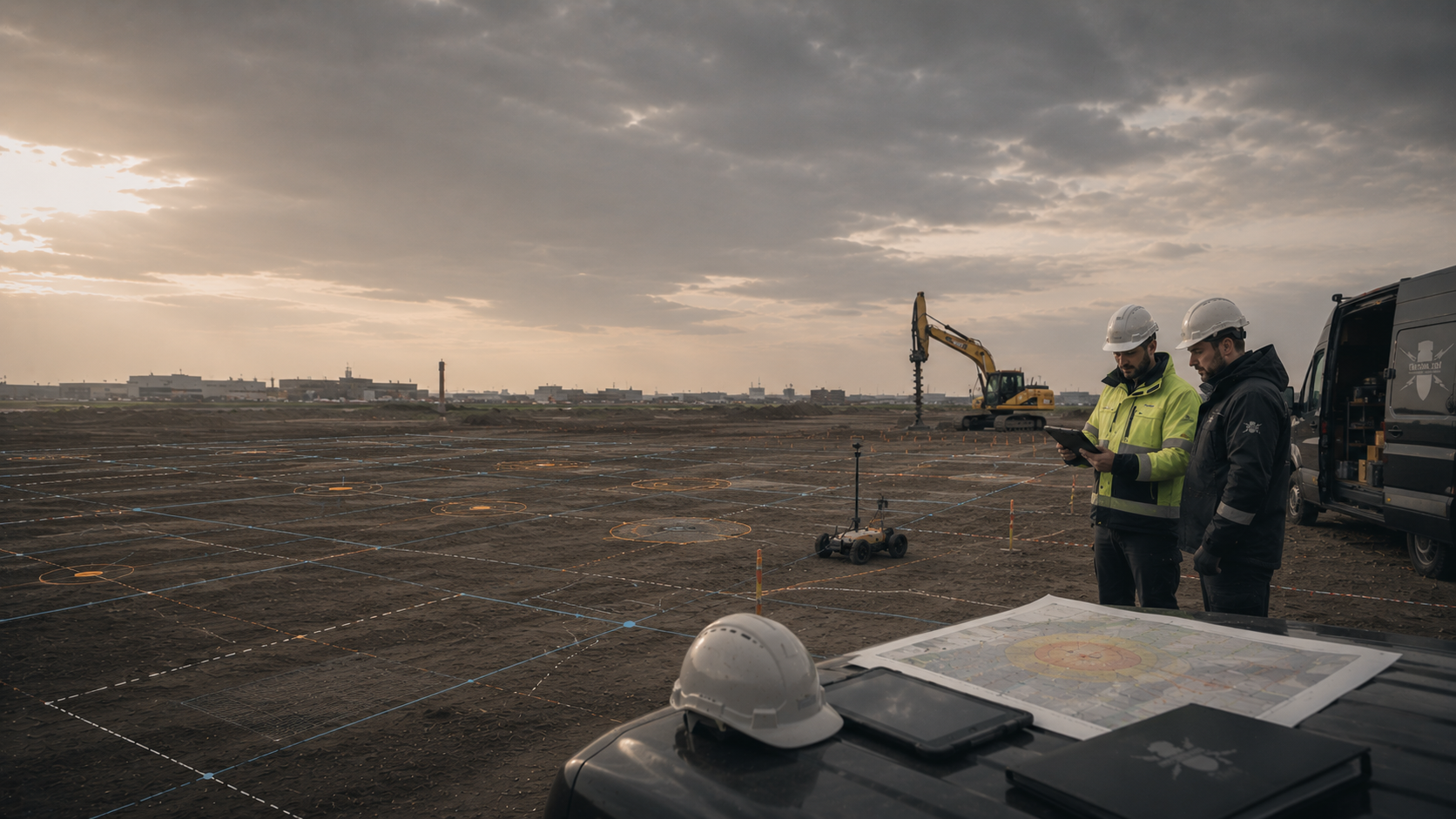
For the subsequent investigation, describe the intervention's location and depth, accessibility, utilities, ground conditions and interference. The suitable method and treatment of limitations, such as inaccessible subareas or restricted measurement conditions, are recorded in the commission.
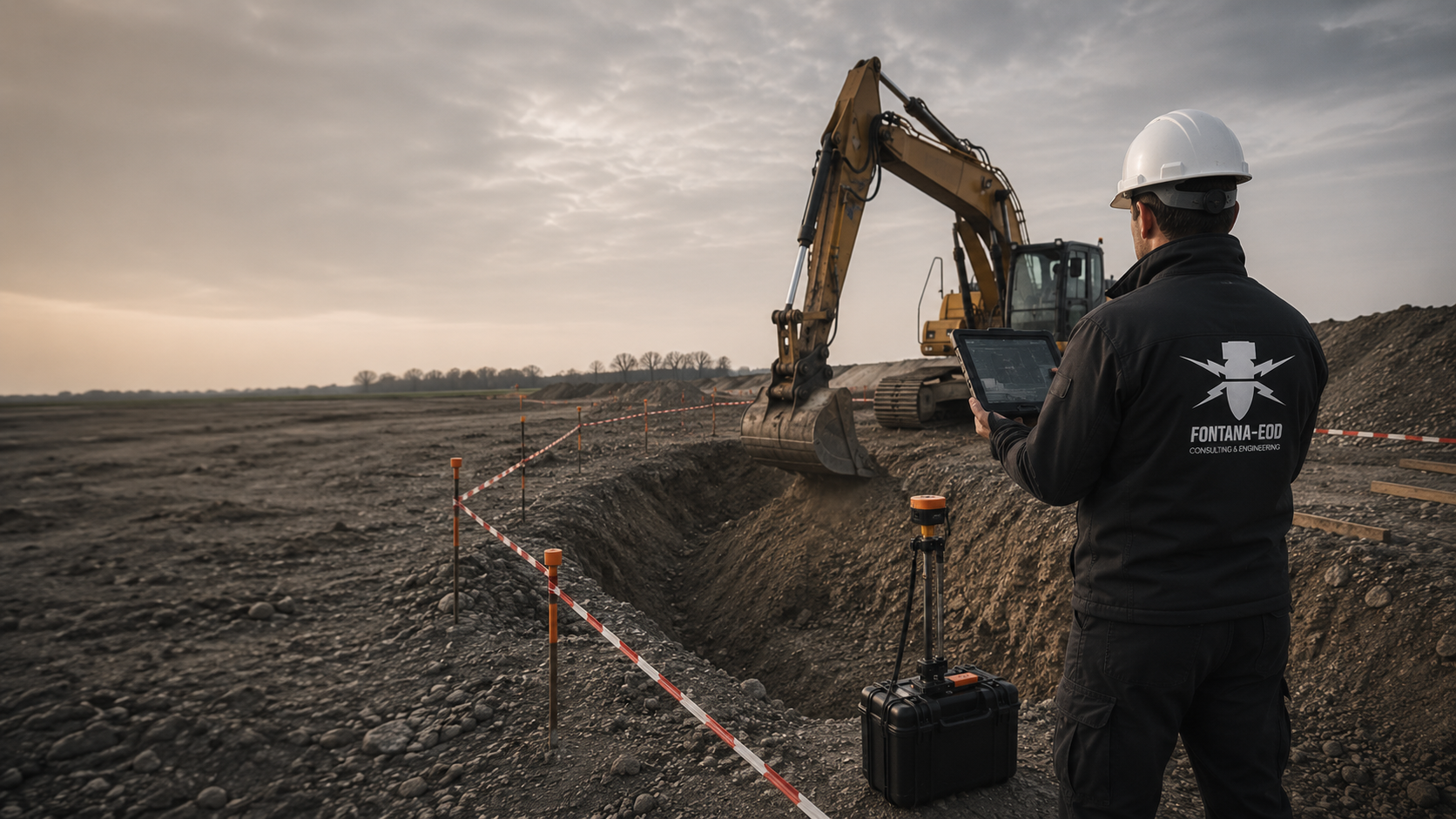
Before progressive excavation, site management, the specialist company and other parties agree investigation sections, work sequence, handovers and responsibilities. Technical surveys, results documentation and subsequent steps are clarified before work starts. Visual observation alone does not replace the necessary technical investigation.
Excavations, routes and work within operating facilities impose different requirements on subsequent investigation and its integration into the construction sequence. This particularly concerns intervention geometry, availability of the area and handover of results between those involved. Reporting a current find and following instructions from the responsible authorities come first, regardless of the project setting.
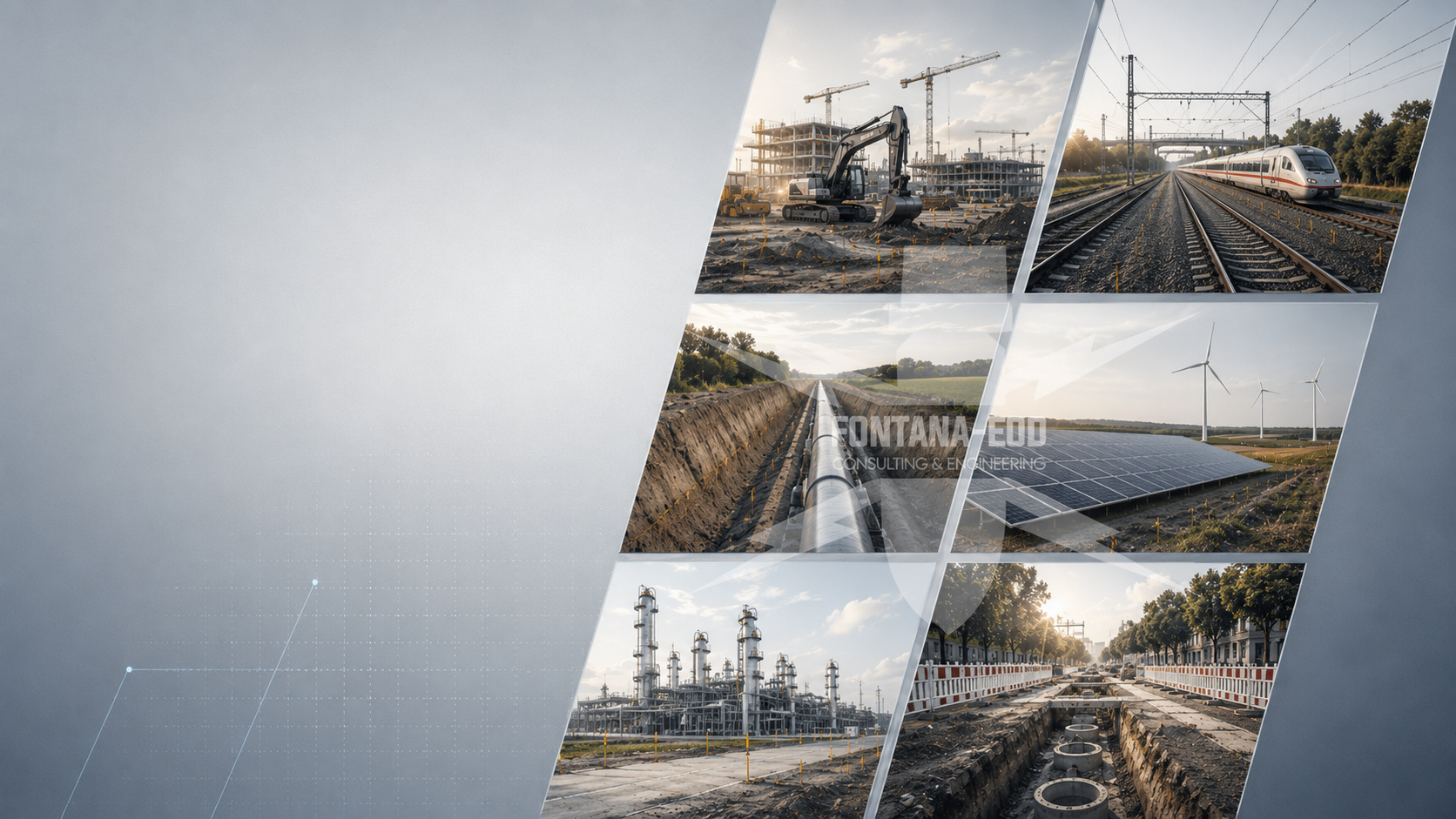
On a building project, foundations, working spaces and external works may involve different intervention areas. Further specialist preparation needs to clarify which areas are affected and what planning will be pursued next. The property designation alone is often insufficient.
Identify construction tasks and intervention areasA utility route connects linear sections with chambers, connection points and excavations. Existing documents should be traceably assigned to these parts. In subsequent coordination, utility engineering matters and explosive ordnance remain distinct tasks that must be brought together for the intervention.
Identify route sections and connectionsOperational processes and available working areas may affect how an investigation is subsequently carried out. Identify these conditions in the project enquiry once the immediate situation has been handled through the responsible authorities. Operational pressure or a tight schedule does not replace a required decision about further work.
Describe operating conditions for planningPreventive project planning links available evidence with the proposed construction task. After a find, the relevant instructions and current work status are taken into account. The investigation scope, conditions and handovers for the subsequent specialist service are agreed with the client. Any immediate possible find is first reported to the police without delay.
The project discussion brings together the construction task, existing documents and the decision needed. After an interruption, this includes the known status and relevant instructions. FONTANA-EOD agrees with the client which specialist question the proposed service will address. Open questions remain identifiable. Official restrictions are taken into account in further planning and are not changed simply by a proposed commission.
Use the current intervention plan with construction sections and depth information. Add known changes from earlier plan versions. This makes clear what task the next stage of specialist work should address.
Historical records and earlier investigation results are assessed spatially and technically for the current intervention. Where information is missing or contradictory, additional clarification needs are identified. Any required historical research or aerial photograph assessment addresses the relevant question about the location; technical results are considered separately with their respective investigated area and limits of interpretation. This keeps the basis for subsequent investigation planning clear.
The proposed method is checked against area, depth, access, ground conditions and interference. For the commission, the investigation scope, approach to limitations and necessary supporting documentation are agreed. Where work accompanies construction, construction sections, time windows and handovers form part of the agreed sequence. The client, site management and specialists carrying out the work need the same description of the task and its interfaces.
Appropriately qualified specialists carry out the commissioned investigation in the agreed areas or construction sections. Where work accompanies construction, the proposed technical investigations are linked to the agreed work steps. Access restrictions, differing conditions and the areas actually worked on are recorded. For a possible find identified during the work, the defined reporting and decision-making channels apply.
The results obtained are assessed in relation to the agreed construction task. This includes spatial assignment, the depth range investigated and the limits of interpretation of the method used. Anomalies, interference and areas not conclusively clarified are identified. The client receives a traceable basis showing which question has been answered and where further specialist work or coordination remains necessary.
The report describes what was done, what results are available and where the conclusions are limited. The site plan, depth reference, findings and, where applicable, a clearance record are brought together with the agreed documentation. Recipients must be able to identify the areas worked on and remaining questions. When handing over to subsequent companies, include the complete appendices rather than passing on only a short summary.
Compare the proposed next interventions with the documented status. Where changes occur, their significance is assessed professionally. The project file thus remains an understandable basis for site management and subsequent parties.
For a current possible find, the police are notified immediately. General knowledge questions can, by contrast, be clarified before construction work. For a commissioned investigation, the specialist company needs a specific construction task with a plan reference and available evidence. The useful contact therefore depends on the actual situation: immediate reporting, preventive planning or specialist interpretation of existing documentation.
Notify the police immediately. The details already known about the find location are sufficient to begin reporting; do not examine, clean or move the object to complete your account.
Report a possible find to the police on 110 in GermanyClarify the correct response with the project parties before work starts. This includes immediate reporting to the police, internal information and passing instructions to the companies concerned. For an actual possible find, keeping your distance, warning others and calling immediately take priority over further research.
Read about behaviour at the find locationFor a project without a current find, existing documents, the construction activity and proposed depths can be considered together. This makes it possible to formulate the specific question for specialist preparation.
Discuss a project without an immediate findAssemble the report and appendices with the current plan. Its conclusions are tied to the documented scope; for subsequent use, changed interventions and unresolved areas must be compared traceably.
Understand documentation and the scope of its statementsFactual communication separates observations, official instructions and subsequent project assessments. This prevents assumptions being passed on as confirmed results. The focus is on the situation actually known and the next step required in each case.
What has already been observed is what matters when reporting a find. In a subsequent handover, identify which information comes directly from the finder and which has been taken from other documents or communications. A presumed type designation is identified as an assumption. The responsible specialists identify the object and assess the measures required.
Missing photographs, an unavailable plan or a pending internal response must not delay the call to the police. Pass on the information already known.
When an instruction is passed on within a project, it must be clear which responsible authority issued it and which area it concerns. Clarify any unclear points with that authority.
An earlier report is considered together with its plans and limitations. It is not used as blanket reassurance for a new situation or a different intervention.
For each further stage of work, identify the responsible contact and the specific recipient of the results. An official instruction is attributed to the authority that issued it; a commissioned investigation report to the specialist company and agreed scope of services. Site management must be able to trace which documents are passed to subsequent companies and which decision is still pending.
A later plan change is compared with the previous evidence. The new status does not silently replace earlier documents; it remains connected to the decision-making process.
Local reporting and decision-making channels depend on the actual find location. For immediate reporting, notify the police straight away. For a subsequent project enquiry, FONTANA-EOD needs the project location and existing documents. Regional procedures are assessed for that location. Information on another project provides a starting point for separate, location-specific clarification.
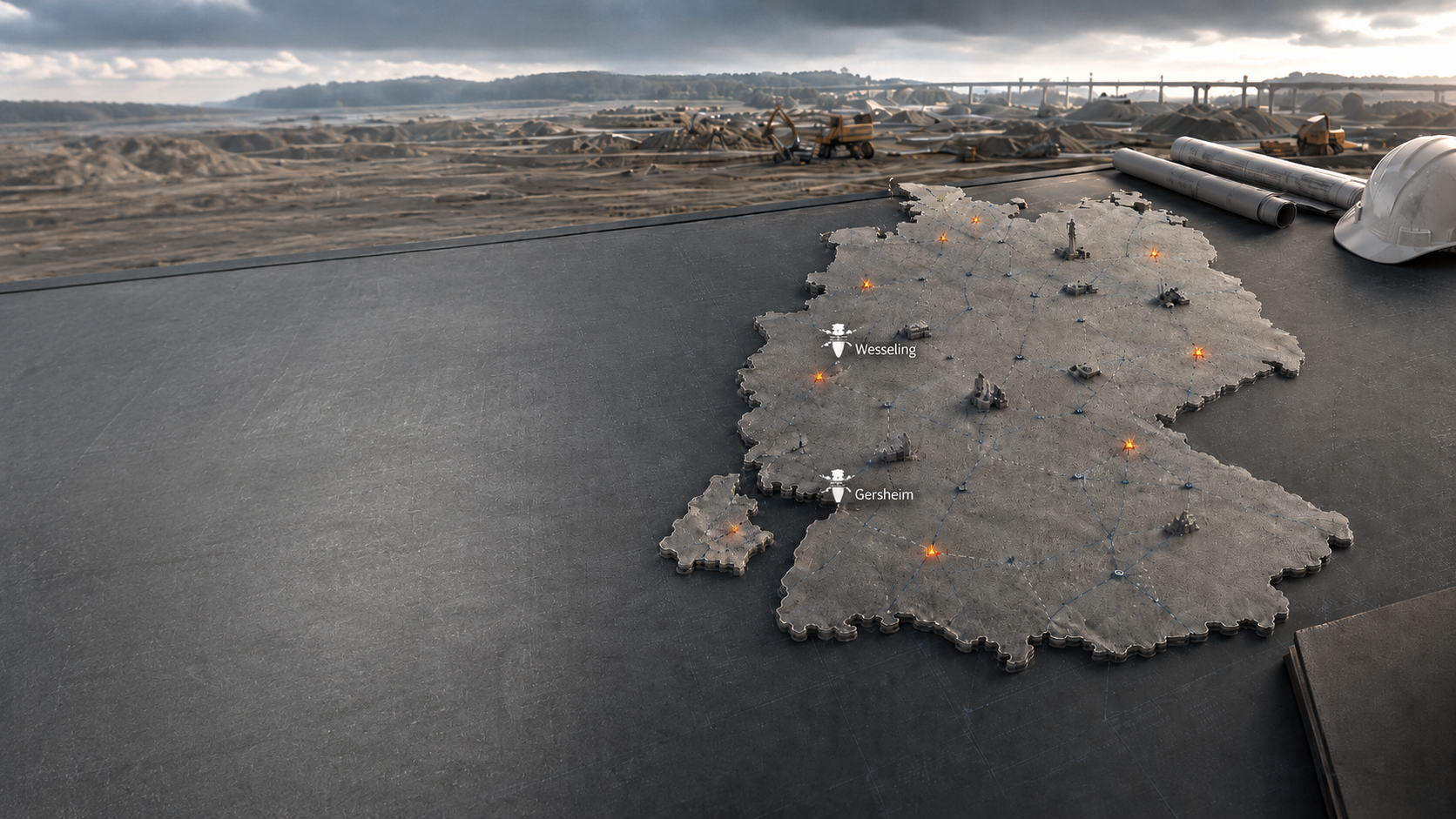
For a planned enquiry, specify the municipality, location and construction activity. Regional procedures and existing documents are considered in relation to them. A specialist assessment of another location cannot be adopted solely because it is nearby.
Identify the location for project preparationAssign information and reports to the respective areas. Different contacts and plan versions remain identifiable. A clear relationship between document, location and proposed intervention helps overall organisation.
Identify regional project sectionsHistorical records, intervention plans and traceable documentation form the basis for a planned investigation. Their usefulness depends on whether they fit the actual construction task and can be assessed together. Earlier reports include their original appendices; new work requires the current plan version.
Aerial photographs and other sources can help assess a planned project. Their result describes a professionally assessed level of knowledge with spatial limits. A current suspected find is reported immediately regardless.
Read historical information for the projectA plan helps describe a proposed investigation spatially. The planned construction activity and depth are also needed for further project work. The specific method is agreed on the basis of this task.
Link the investigation task to the intervention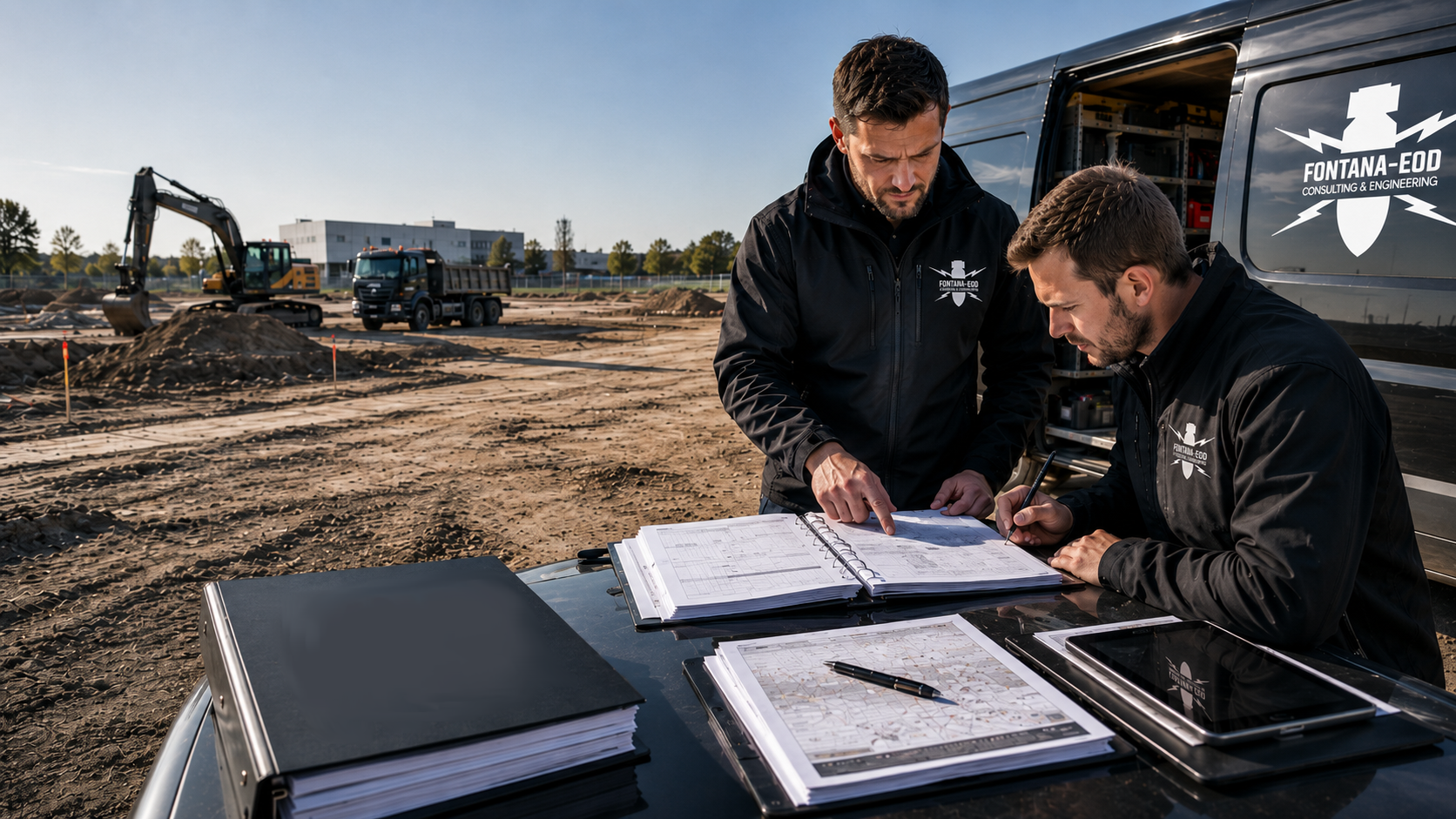
The report and appendices show what was worked on and what limitations exist. In a subsequent handover, open questions and plan changes are included so that subsequent parties work from the same information.
Understand reports and handovers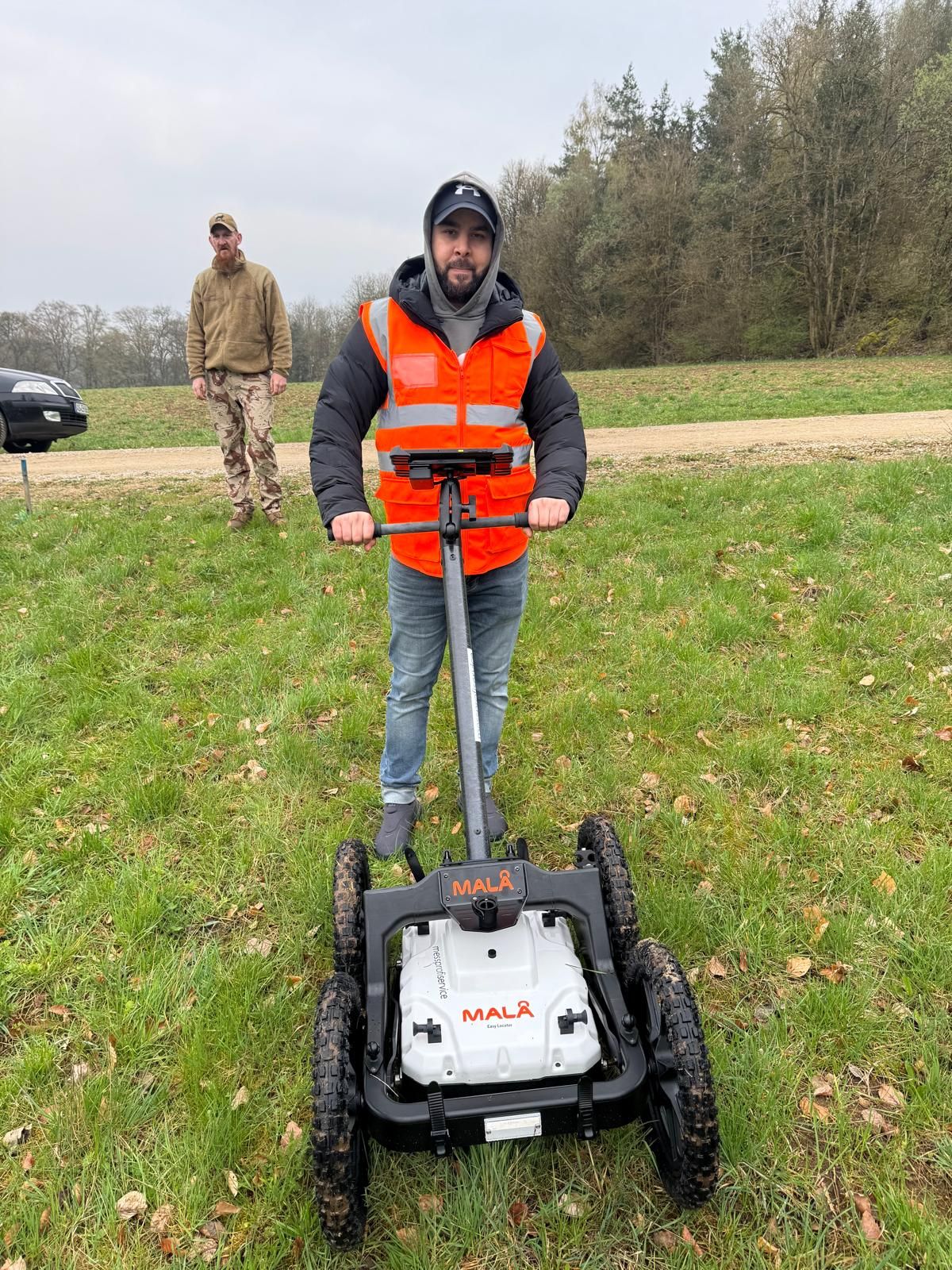
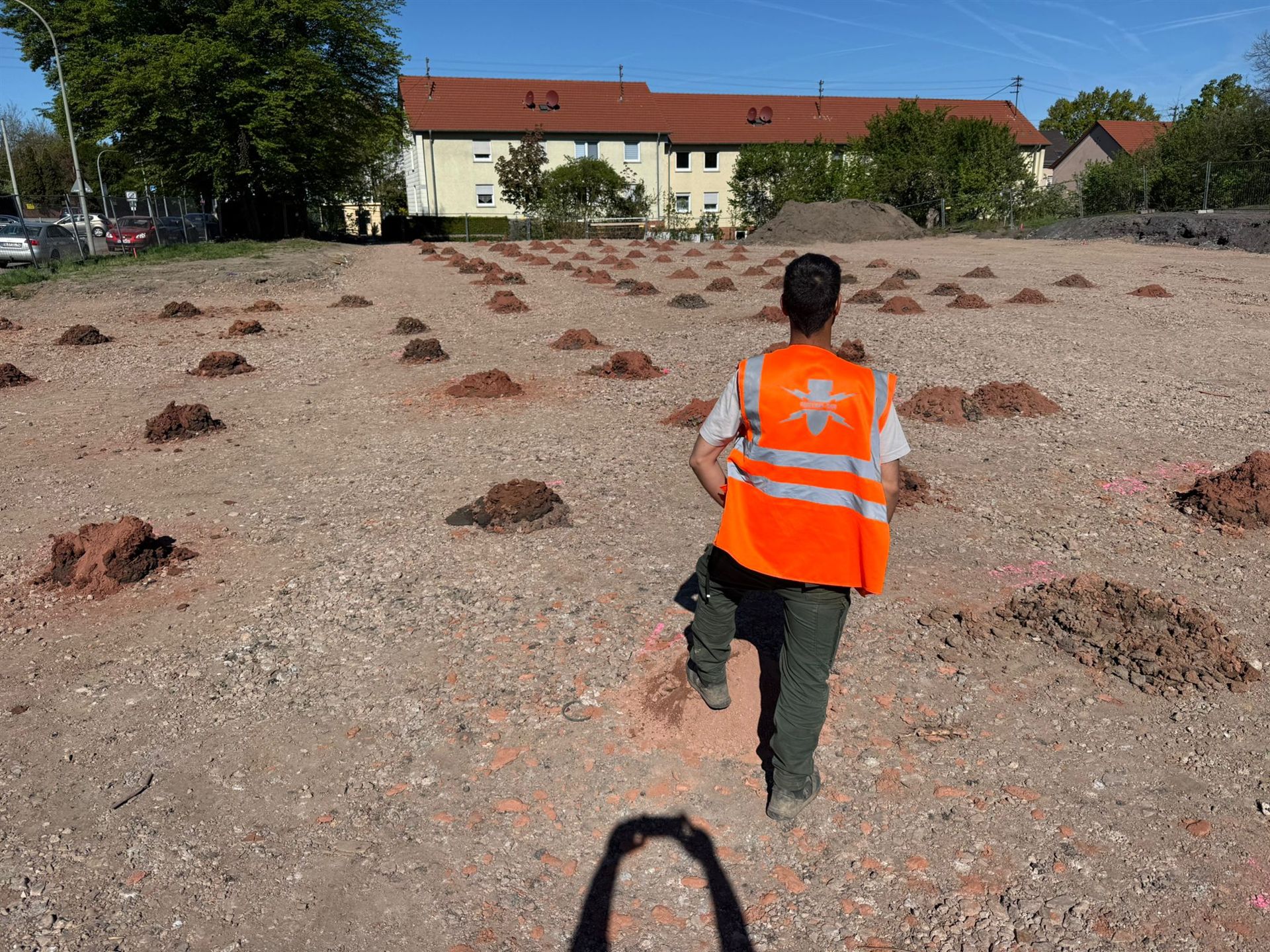
For a planned project, the background knowledge needed, suitable investigation service and required documentation can be coordinated specifically. FONTANA-EOD's knowledge, service and project contact routes are available for this purpose. For an immediate possible find, the direct reporting route is to the police.
Before construction work, the available evidence, proposed construction activity and unresolved investigation needs must be aligned. Technical terms and responsibilities are related to this specific task. This includes the documents needed to make the result traceable later.
Assess specialist questions for project preparationA historical assessment, an area survey and an investigation during construction address different tasks. In a planned enquiry, describe which area or construction activity needs clarification and what documents are already available. Investigation conditions and limits of interpretation are agreed in relation to this task.
Compare services for planned interventions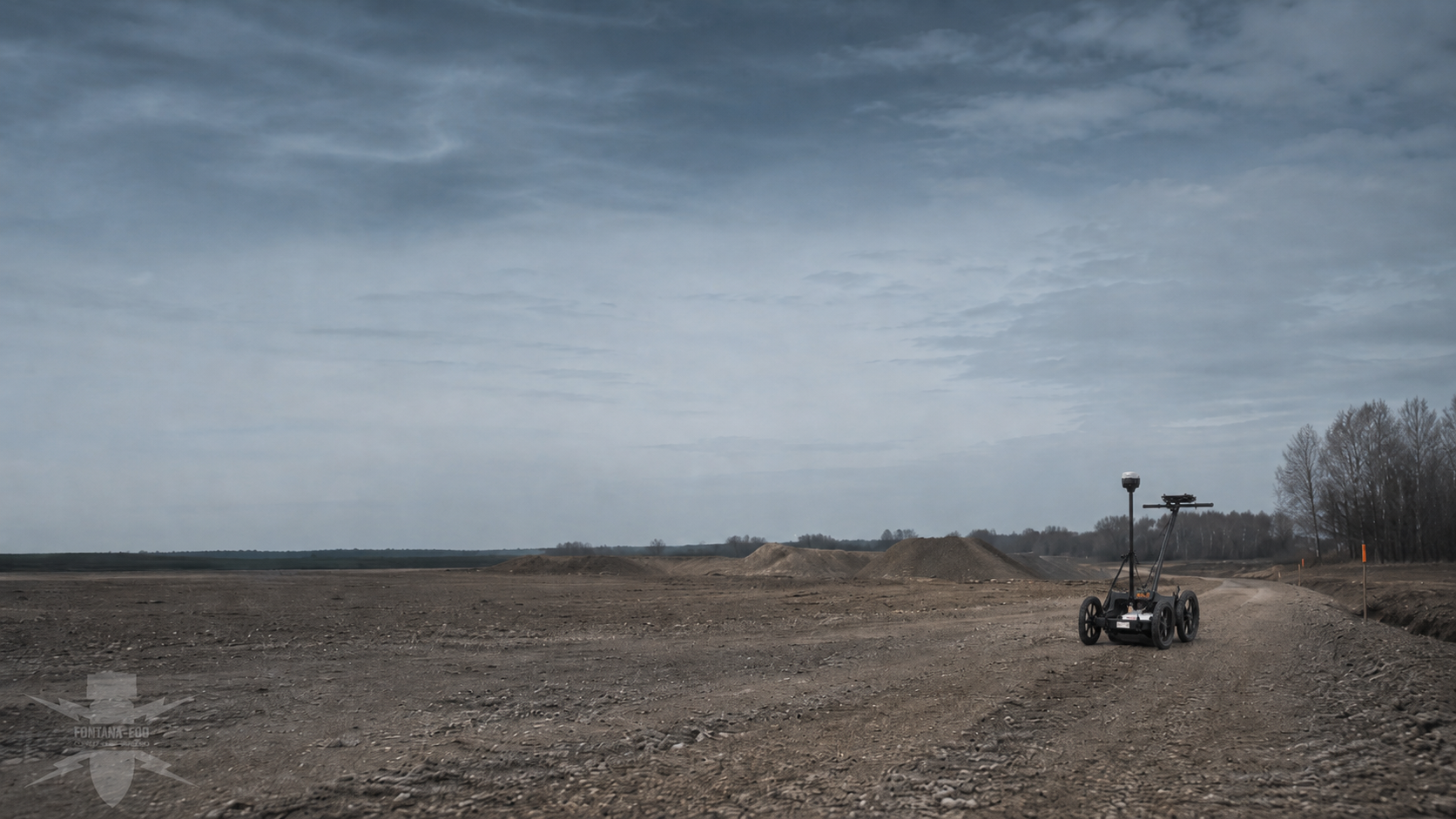
You can assemble existing documents for preventive or subsequent specialist coordination. Identify the project status and unresolved decision. A message through this contact is not a report of a find.
Prepare a project without an immediate findA preventive project enquiry connects the location, proposed construction activity and available knowledge. After an incident, the relevant instructions and unresolved specialist question are included. For specific coordination, existing documents can initially be provided with their identifiable status; gaps and contradictions are explicitly identified. An immediate possible find is reported directly to the police.
Specify the project location, land parcel, construction area or route section and the planned construction activity. A current site plan shows the affected areas, chambers, excavations or individual borehole locations. Add proposed intervention depths, construction dates and phases, and known access and operating conditions. Where plans change, it must be clear which version applies to the next stage of work. Existing utility plans are assigned to the associated area.
Provide existing information, historical assessments, aerial photograph assessments and investigation reports, including all appendices. These include the underlying plans, measurement and findings documents and, where applicable, documented clearance work. Identify missing documents and conflicting information. Describe earlier work with its spatial reference. After an incident, the correspondence, conditions or instructions relevant to further construction also form part of the project status.
Identify whether an investigation is to be prepared, a service scope defined or existing documentation understood. What specific construction activity is to be planned next, and what question remains unanswered? State who needs the specialist results and what document format should be agreed for further handover. This allows the service to be aligned with the actual subsequent decision.
Whether historical aerial photograph analysis, explosive ordnance surveying, surface surveying using GPR, magnetometry or TDEM, deep-ground surveys, downhole surveys, excavation supervision, area clearance or ordnance recovery is needed depends on the location, ground disturbance, depth, ground and existing documents. An early ordnance assessment provides clarity for tendering, programming, occupational safety and construction.
FONTANA-EOD combines its Section 7 SprengG licence, specialists holding Section 20 SprengG certificates of competence, suitable survey and clearance methods, and traceable documentation. Send the site plan, depth of ground disturbance, construction phase and existing documents for an initial technical assessment.


