Project pathway
The quickest route to the right decision.
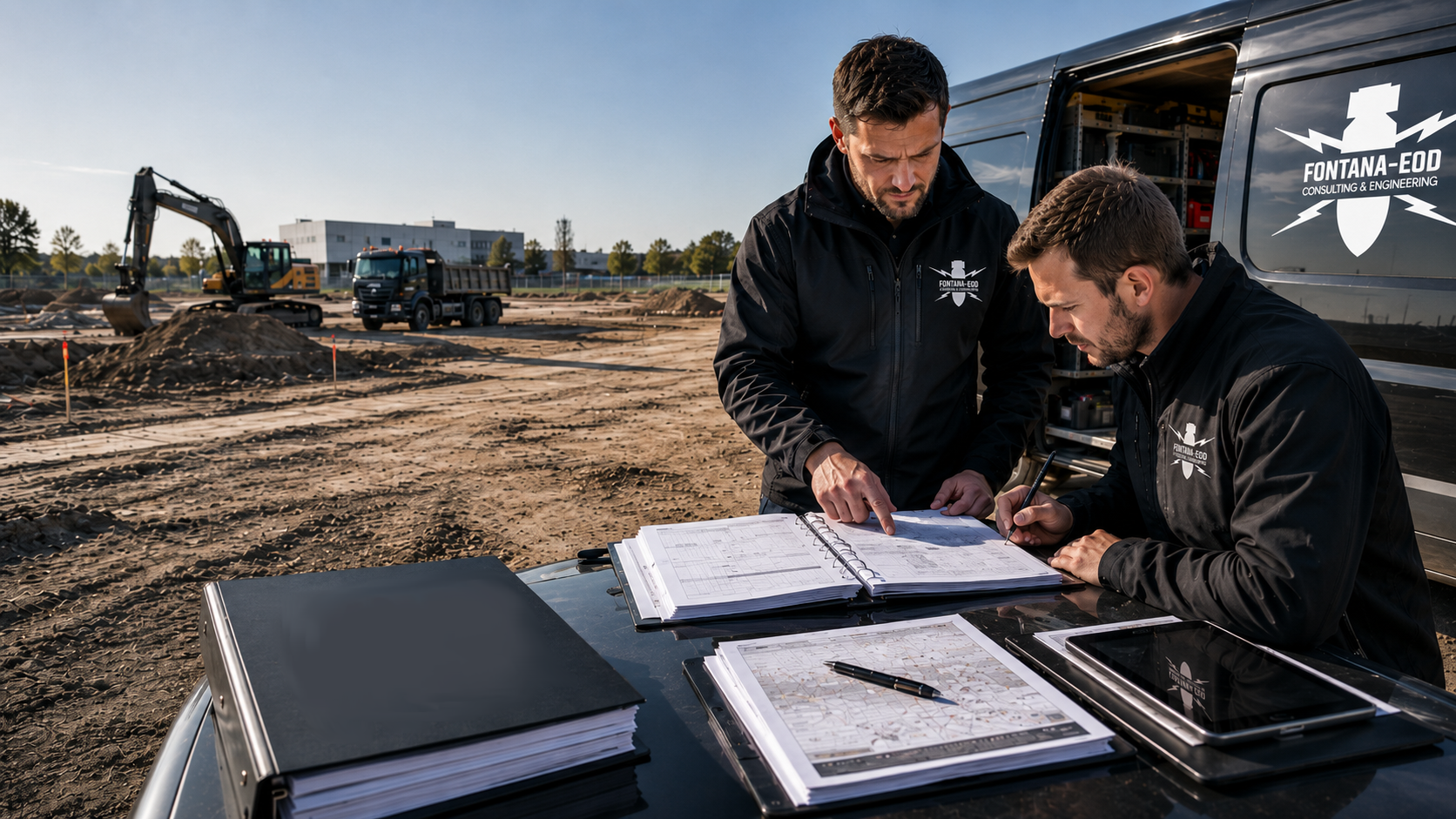
Proper ordnance measures require qualified personnel, suitable methods and clear responsibilities. FONTANA-EOD links preparation to checks during work and traceable records. Clients and site management receive information on checks performed, results and outstanding points.
Identify hazards and tasks.
Apply agreed check points.
Document deviations and measures.
Quality means the selected method and its execution can soundly answer the agreed project question. Safety concerns workers, other parties and surroundings. Both must fit actual site conditions; a generic checklist alone is not enough.
At track 20 in Plattling station, GPR surveying, investigations during construction and subsequent volume clearance were combined. The report explains the sequence and spatial limits of the works.
Working phases and original measurement images from Plattling · Region: Lower Bavaria
Before work, define responsibility, protective measures and checks. Requirements depend on the specific activity.
Tasks are assigned to suitable, qualified persons. Required authorisations, individual competence and activity scope must be considered. The project must identify technical decision-makers and the contact coordinating with site management. The commission names the specialist, task and coordination. Update this assignment if contacts change or scope expands. The FONTANA-EOD organisation chart shows management, project management, specialist planning and compliance, and the specialist team responsibilities.
Company and qualificationsAssessment considers the activity, local conditions and interaction with other work. Appropriate protection follows. Changes require review of assessment and measures. Identify access, traffic, utilities and neighbouring work, for example. Employers consider interactions relevant to their activities. If another trade joins, its effect on working areas and sequence is coordinated.
Workers need understandable information on tasks, hazards and procedures. Contacts and reporting routes are assigned. Coordination avoids conflicting work and unclear responsibilities. Distinguish results for site management from activity-specific worker briefings. Changed tasks or new equipment require briefing before the activity. Coordination provides new-condition information; the relevant employer remains responsible for briefing.
Methods and equipment must suit the task and conditions. Function checks and project check points support reliable execution. A name or nominal capacity does not prove sufficient conclusions. A successful function check confirms the state actually tested. Method coverage is assessed from task, relevant depth and interference. An area may be insufficiently assessable despite working equipment because of an interfering structure.
Equipment and operating limitsAgreed checks accompany work. Inaccessible areas, interference, changed conditions and anomalous results are recorded. Specialist assessment determines additional work, repetition or adjustment; significant changes are coordinated.
Records document measures, checks and relevant decisions. Final assessment identifies status and limits. Lessons from deviations may improve preparation, communication and procedures.
Documentation and limits of conclusionsSafety organisation must be clear in daily work. The agreed sequence links technical responsibility and site coordination.
Affected work must not continue unchanged where ordnance is suspected. Responsible persons arrange interruption and use defined reporting routes. Competent public bodies are involved according to circumstances and requirements.
Handle a specific suspected find safelyClient, official and operational requirements are related to the activity. Relevant technical rules and accident-prevention provisions apply in their applicable revisions. A general reference does not replace specialist assessment.
Assess the task and regulatory frameworkA check supports a conclusion under specific conditions. Limits are documented, not hidden by general safety promises. Site management must identify assessed areas and questions before further interventions.
Pass on results with their limitsClient, company and site management link activity to areas, depths and conditions. Historical knowledge, earlier investigations and gaps stay distinct. Methods, checks and records for the next step are agreed. A verifiable result requires a traceable question, area and conditions. Changes to this information are assigned to responsible parties.
Specify the task and initial documentsUtilities, metal objects or changed ground and access may affect deployment. Specialists assess conclusions still possible and the area affected. Further investigation and protection fit the situation. Feedback identifies work, limits and tasks. Site management can then align the next activity with the recorded status rather than treat a limitation as resolved.
Clarify method limits and further workPlanners, site management and subsequent trades need the conclusions actually achieved for their intervention. Records, survey images and plans are combined with areas and revisions. Open areas, pending assessments and prerequisites remain visible. Handover identifies usable status and contributions still needed. A new intervention is checked against this scope; a completed check in one area is not transferred to unchecked neighbours.
Hand over results for the next phaseNew projects, ongoing sections and handover of existing results raise different questions. Coordination should identify the next decision.

State the project question and result documents needed. Access, interventions and interference help define scope. Qualification, checks and communication requirements should fit the specialist task.
Specify project type and requirementsIdentify companies and activities sharing an area. New work statuses must reach the right contacts. Technical work and sequence coordination are aligned without silently transferring a task to the wrong party.
Fit specialist work into the construction sequence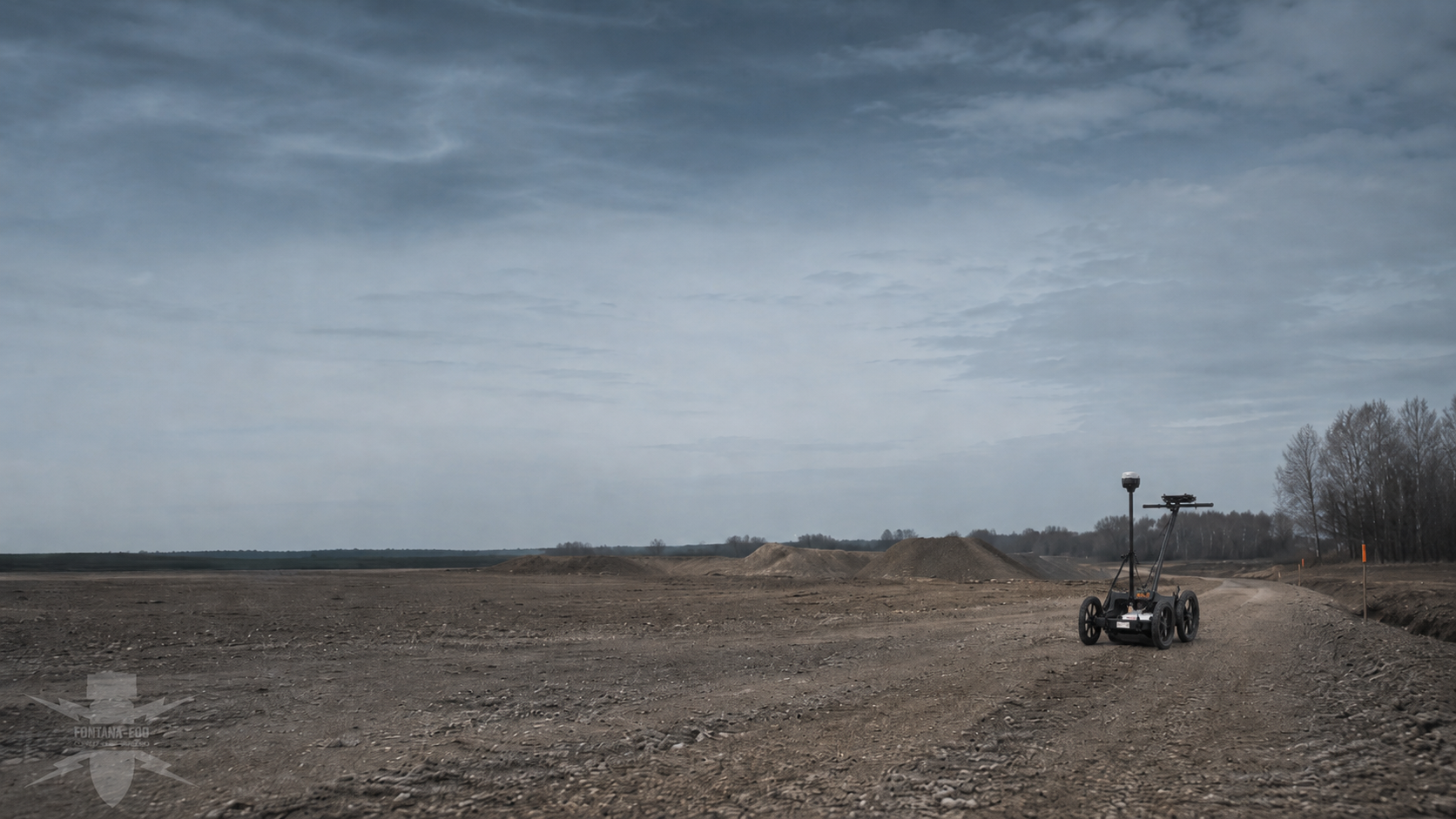
Checks, deviations and their treatment must be traceable for further use. Identify recipients and next intervention. Handover should show answered questions and remaining clarification.
Discuss result handover requirementsRequirements start with the service and area. Check scope and result presentation must fit this task.

Describe objective, interventions and known conditions to prepare service selection. Later assessment needs a clear link to this question; a generic equipment description is insufficient.
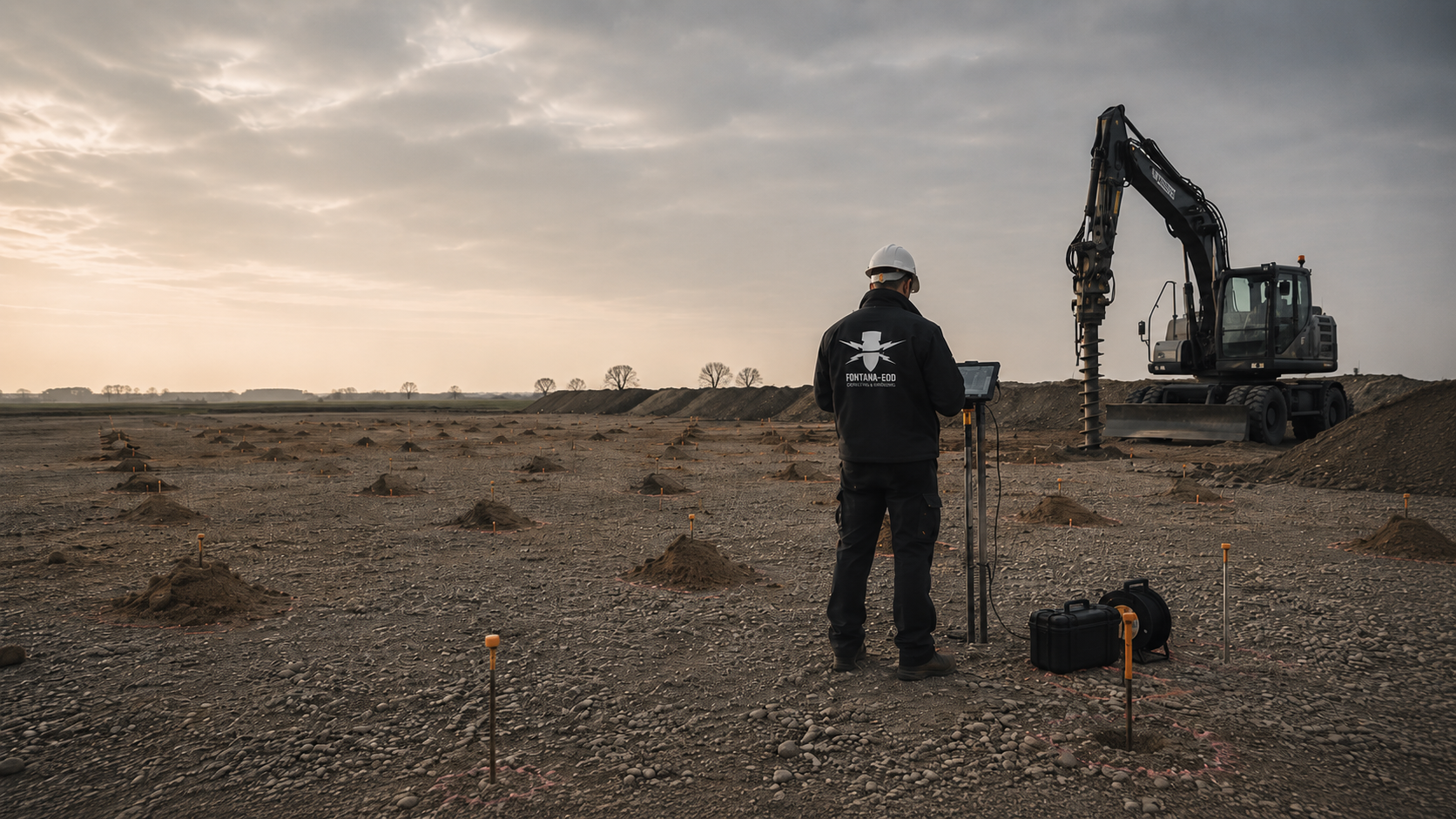
For deep points, location, identifier and conclusions needed must match. Current plans and limits matter. Documented checks relate to actual scope and associated results.
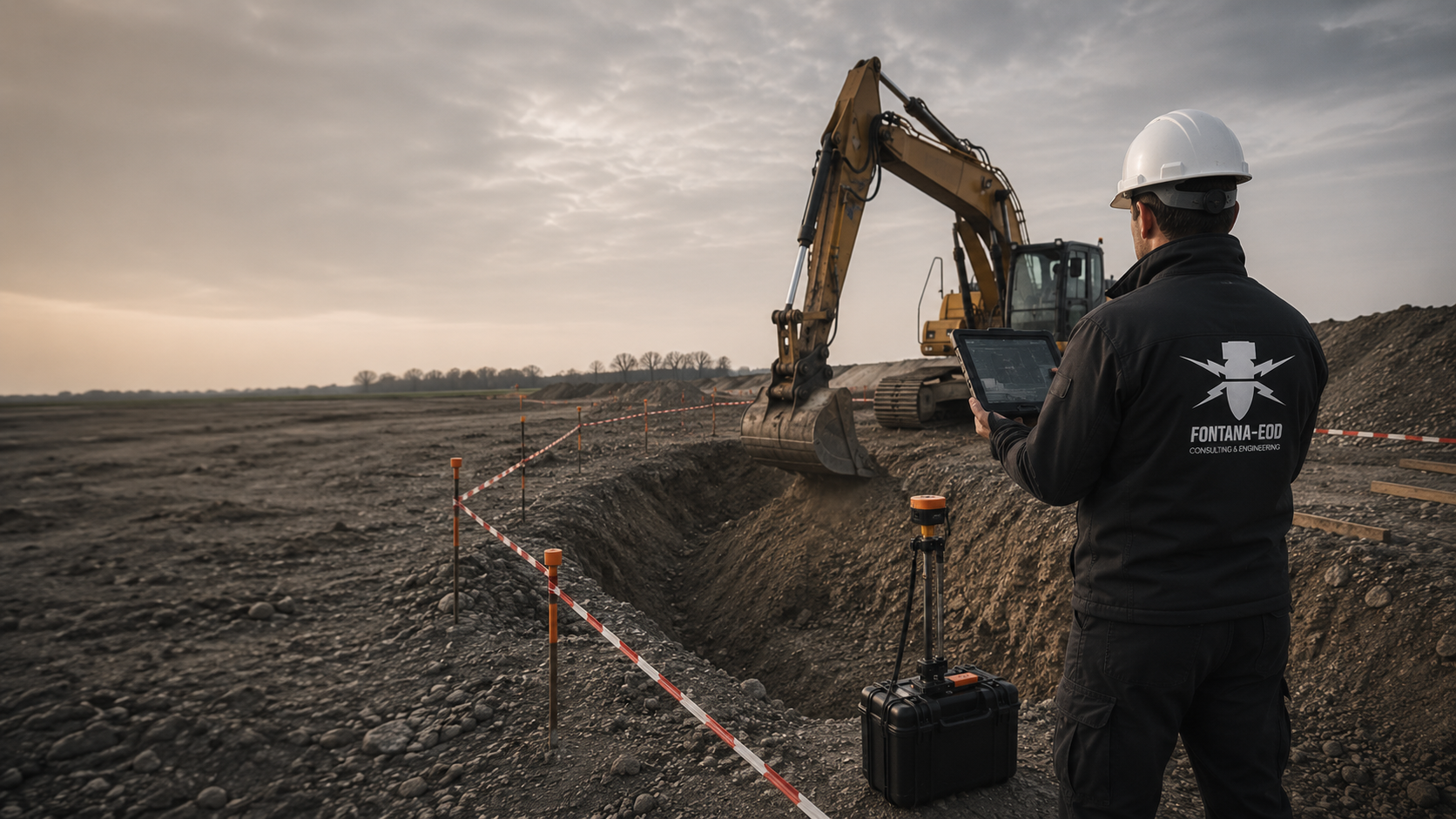
Coordinate work with the section and actual sequence. Changes in areas, order or companies may create new interfaces. State them early so responsibilities and communication fit.
Traceable evidence links purpose, check and decision. Saying only that a check occurred often leaves this link unclear.
Records need task and actual-condition references. Identify plans, areas and limits. Later readers can trace the basis of a decision and subsequent changes.
Assign deviations clearly to area and step. Combine treatment, reasons and subsequent result. Parties can see whether the question is resolved or further work remains.
Final records combine status and limits. Handover must not turn a limited investigation into a broader assurance. Identify open areas so later planning can find and consider them.
Quality and protection accompany several steps. Contributions are related to the task and coordinated with parties.
State location, areas and work. Knowledge and questions underpin coordination. Clear tasks distinguish services and records. Working areas may exceed the future structure: access, standing areas and temporary spaces may matter. Mark those included in the commission. A deep point needs a different spatial assignment from continuous excavation.
Provide current plans, investigations and requirements. Identify other activities and contacts. Mark gaps so they are not assumed resolved. Assign date, area and design status. Older reports may concern different depths or uses. Utility and access information helps identify interactions; unconfirmed assumptions are not established conditions.
Assign technical and organisational tasks. Clarify qualifications, protection and checks for the activity. Consider sequence and companies. Record feedback recipients among client, management and employers. Shared areas require information before work or changes. Sequence coordination and investigation decisions remain distinct contributions.
Execution follows defined requirements. Findings and changes reach responsible persons and retain the original task reference. Check records identify section and step. Interference records must distinguish equipment, conditions and coverage affected. Specialists define further work; a check is usable for decisions only with its result.
Assess findings within responsibilities and agree consequences. Records link reason, decision and further status; open points remain. Identify the earlier assumption and difference. Changed geometry, inaccessible area and impaired measurements may need different responses. Target the affected area. After additional work, show which limit is resolved and which remains.
Combine results and relevant checks. Explain scope for the next phase. Recipients need links between area, limits and next work. The next trade receives documents and plans for its intervention. Completed services, tasks and conditions remain clear. If conditions or intervention no longer fit, clarify before further use.
An organised file makes agreed requirements and work findable. Handover scope and format fit the commission.
Keep task, plan revision and contacts together. Changes must remain visible so readers understand services, prerequisites and contacts. Include work periods and sections. Record later revisions with actual changes. At handover this distinguishes new decisions from still-valid earlier information and directs queries correctly.
Assign records to area and task. Additional explanations reference earlier status. Combined records retain different revisions; positive summaries must not hide questions. Identify what was checked, result and conclusion. An attendance or signature list does not show that technical relationship. Additional work links original deviation and new result so management understands section status.
Hand over results with appendices and limits. Identify questions continuing to further work. Full originals remain important; an overview does not replace content. Agree who forwards additions and changed appendices. Corrected conclusions are assigned to the right version and plan. Combined handover retains insufficiently assessable areas; their work is agreed for the intended intervention.
Changes to site, access or work trigger specialist review of assumptions, protection and checks. Responsible persons agree next steps for the area using actual conditions and conclusions needed.
Before execution, combine information, working areas, qualifications and responsibilities. Include interference, neighbouring work and sequence changes. Protection and checks follow these conditions and are reviewed with new knowledge. The project process shows how this preparation links to investigation and handover.
The DGUV Information 201-027 supports risk assessment for clearance. Legal bases include assessment of working conditions under § 5 ArbSchG and task-specific briefing under § 12 ArbSchG.
Describe changes spatially: access, extra interventions or sequence. Compare current and earlier plans to show assumptions no longer fitting and new questions. For a shifted route, compare alignments and depths. For points, assign location or elevation changes to the identifier. A general sequence-change report lacks this spatial information; mark the section on the current plan.
Clarify whether suitability, execution, safety or later result use is affected; several may be. Contacts receive information for their tasks. A general report without area or task makes coordination harder. For impaired measurements, assess usable coverage and further work. Changed access may affect equipment position or working areas. The specialist assesses technical consequences; site management coordinates sequence effects.
Record the question and conclusion for the section. Do not transfer decisions automatically elsewhere. Handover identifies applicable documents, work relying on them and open points. Feedback states area, status and conditions of use. Interim information differs from a final conclusion. Extra investigation or documentation is linked to the step and stays visible at handover.
State the project stage so support fits the decision and documents available.
Compile task and knowledge. State desired results and settled requirements. Scope can then be linked to checks and documentation.
Compile project information for preparationDescribe the change from the earlier plan or sequence. Identify area and activities so responsible persons can relate effects to a task.
Assess the change and task affectedProvide the record and result. Identify the unclear decision or conclusion. A targeted question avoids taking a statement out of context.
Link check records and resultsShow next work and documents supporting it. Mark questions and changes. FONTANA-EOD can agree the contribution needed.
Discuss the next phase against existing statusFONTANA-EOD links the task to conditions and agreed records. Quality is traceable through justified decisions, handling changes and handing over limits.
Work follows the question and intervention. General specifications are checked against actual conditions.
Selection considers interference and limits. Nominal equipment data is not general evidence for the whole site.
Checks remain linked to purpose, area and result, making their relevance traceable.
Findings are recorded and assessed. Coordination shows resolved questions and remaining tasks.
Contacts and information relate to tasks. Significant changes reach those needing them.
Conclusions retain spatial and technical limits. Records replace unsupported safety or clearance promises with traceable work status.
Cooperation needs clear responsibilities. Execution, company responsibility and coordination are brought together according to their tasks.
Employers assess work hazards and brief workers. Activity and site conditions are essential. A project document may inform but does not replace assessment of one's own work.
They provide available information and explain interventions and sequence. Changes must reach affected parties. Coordination should identify information needed and who can provide it.
The company performs and documents agreed services. Official requirements are assessed in the relevant procedure. Name letters and contacts; technical and procedural questions may have different recipients. Existing cases with clearance service/KBD, public order or building control include contacts and references. The procedure determines the body for each question.
Preparation considers relevant legal, accident-insurance and project requirements. The actual work intended is decisive.
The Occupational Safety and Health Act links protective measures to work-related hazards. Worker briefings relate to workplace and duties, considering changes. Project information supports this task-specific assessment.
The Explosives Act and 1. SprengV must be considered in the relevant authorisation, competence and responsibility context. Requirements depend on actual tasks. A company overview does not replace assignment of the activity and responsibility required.
The DGUV Information 201-027 supports risk assessment in clearance. The DGUV Rule 113-003 must be considered within its activity scope. The BFR KMR contain technical requirements for their scope; their use is linked to the project's requirements.
Stop work immediately if an object is suspicious. Do not touch or move it; leave the area and keep others away without risk to yourself. Notify police on 110. Project records do not justify inspecting it yourself.
Preparation needs actual location and an understandable project overview. Additional requirements remain assigned to their procedure.
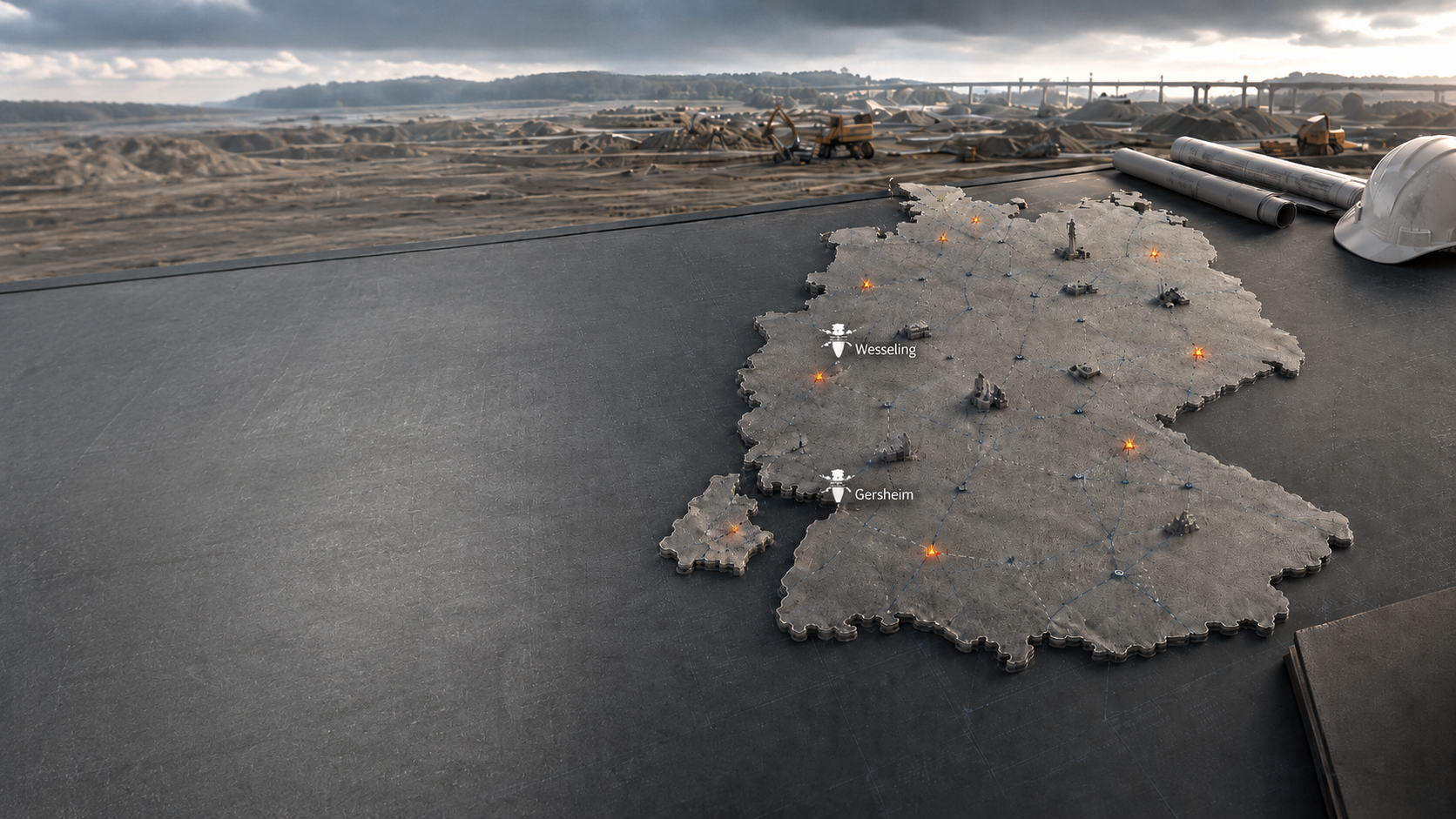
State location, areas and official correspondence. Contacts and references help targeted coordination. Another site's process cannot be adopted merely because the task is similar.
Prepare location-specific coordinationDescribe project type, interventions and other work in the area. This helps assess requirements and interfaces for the situation.
Specify the task and interfacesCheck point, deviation, protection and conclusion limit describe different aspects. Their meaning relates to the task and applicable requirements.
An agreed reference for checking work. It should identify the aspect considered and how the result informs the next decision.
An observed difference from a relevant assumption or requirement. Assessment needs the affected area and significance for the task.
A measure derived from risk assessment for the task. Its suitability is considered with activity and conditions.
The spatial or technical limit of a result. It stays in the records and accompanies preparation of further interventions.
Specialist fields provide different preparation information. Project records link those contributions to the actual task.

Historical findings can explain the reason for investigation. Good preparation requires understanding their scope and limits. Technical work then has its own clear task.
Assess historical information and investigation needsThe construction question determines the service. Conditions and limits enter coordination. Result presentation should fit intended use before work.
Relate service selection to the questionResults and checks are useful through clear assignment. Documents, plan reference and questions are passed on together, allowing the next phase to use actual status.
Link checks and records within the process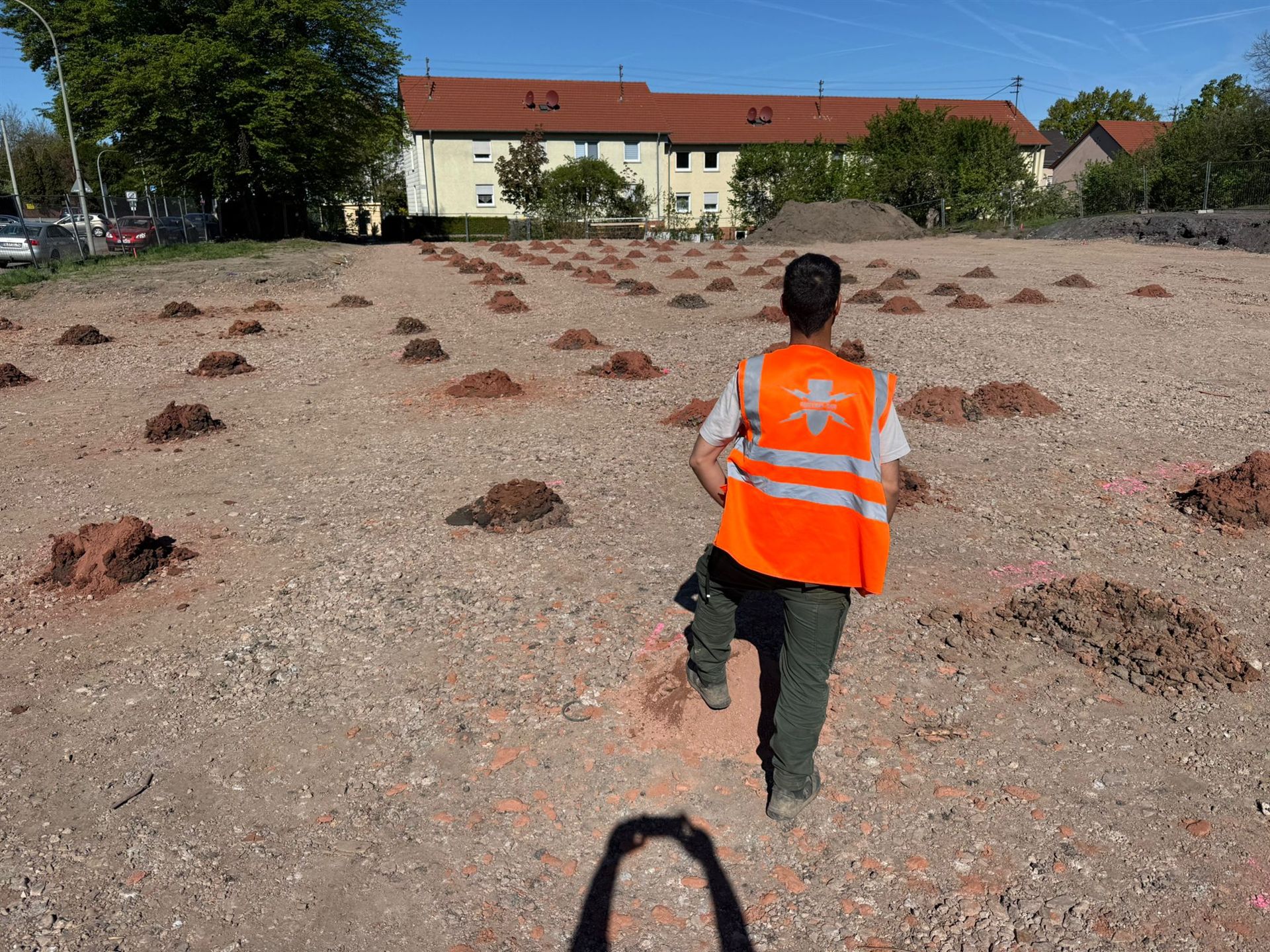
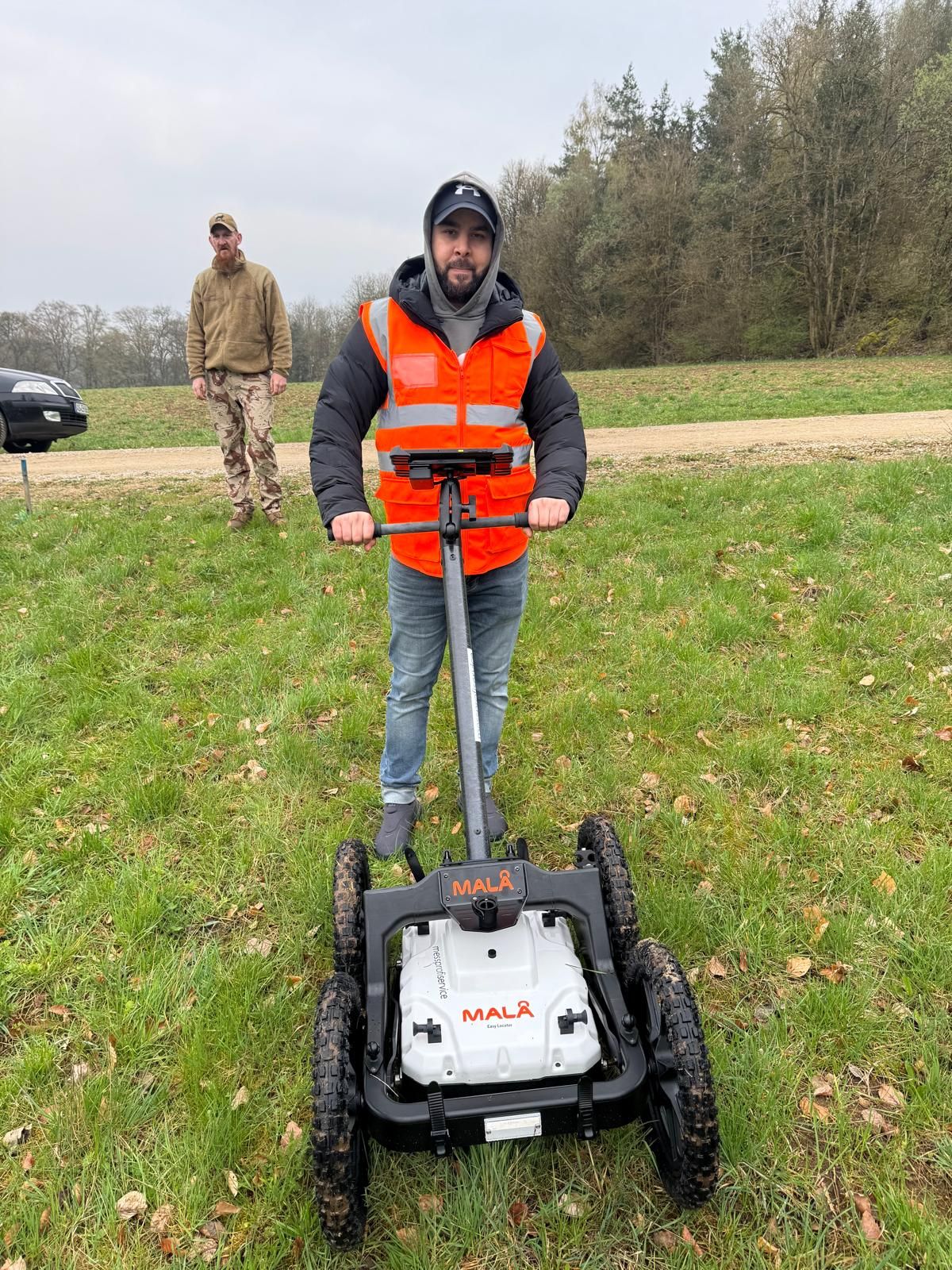
Specialist services, equipment used and result documentation are related to the task. The professional terminology and the company information support specific coordination of tasks, contacts and records required.
Assign your question to a specialist task and state constraints. A precise enquiry helps agree checks and results.
Choose the right service for the projectThe process overview links preparation, work and handover. It helps discuss quality at the right project stage.
Plan process and records togetherDescribe questions by check point, deviation or limit so the documents or explanation needed are clearer.
Read terms for a precise enquiryQuality requirements are agreed with activity, conditions and records needed. New findings may affect feedback required before the next intervention.
Discuss requirements while preparing the specific service. Identify the objective, operating conditions and records needed. During execution, assess new findings and changes for their effect on the task.
Current site and intervention plans, earlier investigations, known utilities and existing requirements are helpful. Also describe the sequence and other activities in the area. Missing information should remain identified as unresolved.
No. Suitability is assessed from the task and actual conditions. A model name alone explains neither conclusions achievable on site nor the significance of interference or limits.
Identify the area, previous status and change observed. Show the task or conclusion potentially affected. Responsible persons can then coordinate the further assessment specifically.
Documentation links the check, result and technical conclusion to the area concerned. Questions and limits remain visible. Documents handed over depend on the agreed commission.
Briefing workers is the employer's duty. It concerns the workplace, tasks and relevant hazards. Project coordination provides important information and considers changes to the sequence.
Compare them with their actual scope. Set the new planning against existing records and mark deviations. The same location alone does not mean an earlier conclusion covers every new task.
State the intended service, known conditions and decision to be prepared. Include existing requirements and plans. FONTANA-EOD agrees the specialist contribution and records needed with you.
State the activity and current status so FONTANA-EOD can agree the contribution and interfaces.
State address, site, route or borehole points, depths and timing. Include a current plan and limits. Describe activity and other work sharing the area. Mark changed areas or depths from earlier investigations so the enquiry concerns the current intervention.
Provide investigations, historical assessments, utility plans and requirements. Mark missing or unclear records. Include conditions and official correspondence with appendices. State current status and sequence; qualification, checks and desired results can already enter coordination.
Describe whether you need pre-procurement requirements, change assessment or handover. Identify contacts and next decision. FONTANA-EOD agrees qualifications, checks and records for the commission. Contacts and reporting routes are clarified before work. Identify the question so specialist input and interfaces can be agreed appropriately.
Whether historical aerial photograph analysis, explosive ordnance surveying, surface surveying using GPR, magnetometry or TDEM, deep-ground surveys, downhole surveys, excavation supervision, area clearance or ordnance recovery is needed depends on the location, ground disturbance, depth, ground and existing documents. An early ordnance assessment provides clarity for tendering, programming, occupational safety and construction.
FONTANA-EOD combines its Section 7 SprengG licence, specialists holding Section 20 SprengG certificates of competence, suitable survey and clearance methods, and traceable documentation. Send the site plan, depth of ground disturbance, construction phase and existing documents for an initial technical assessment.


