Project pathway
The quickest route to the right decision.
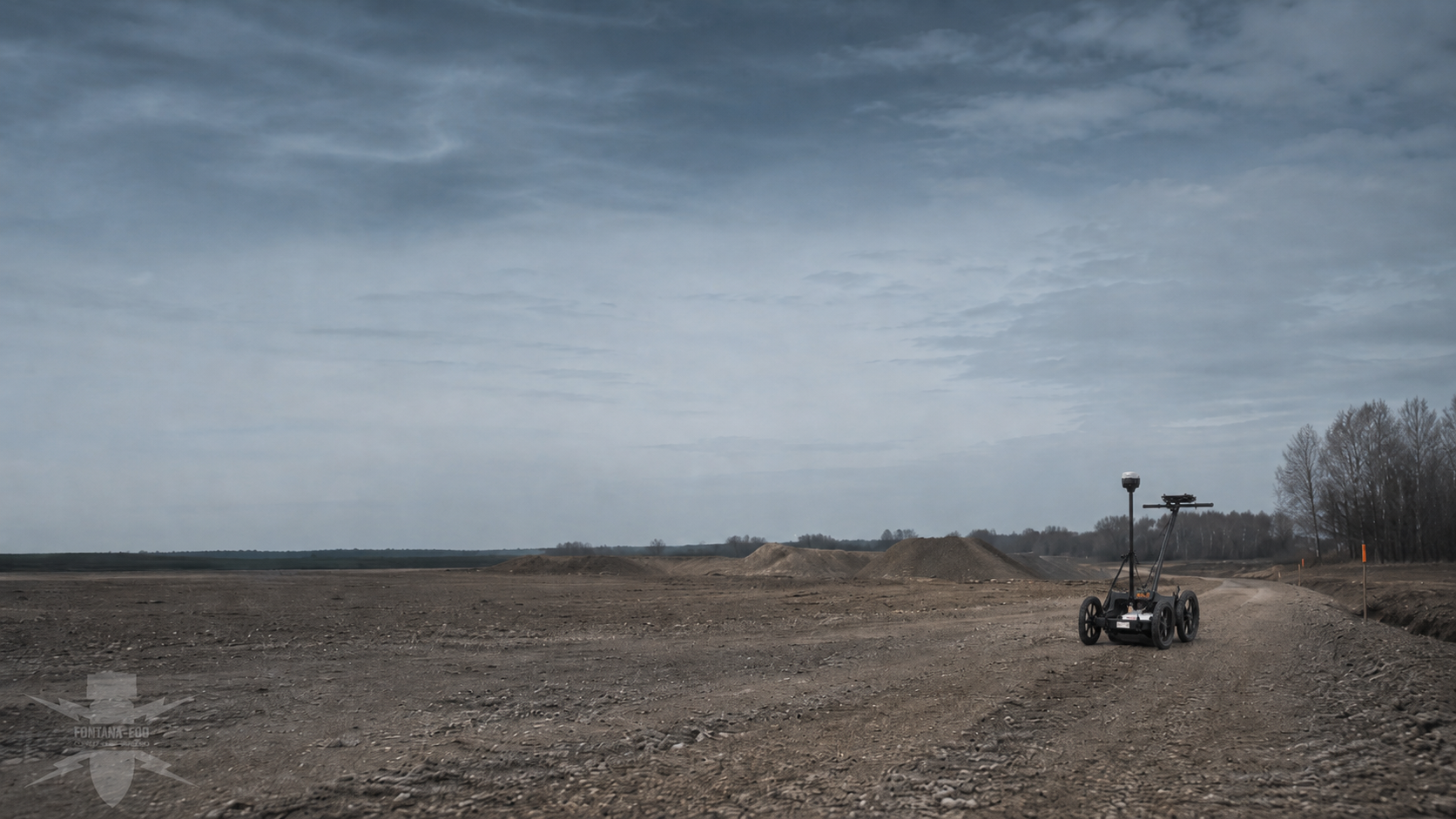
Clients, design consultancies and construction companies can enquire here about explosive ordnance assessment for a construction project. Whether it concerns a plot, construction pit, utility or infrastructure project, tell us the project location, planned groundworks and your next decision so that we can define the task and prepare the next specialist step.
Assess your project and the action required.
Coordinate investigation and supporting records.
Clarify interfaces with construction operations.
A project enquiry starts with the location, proposed ground disturbance and unresolved technical question. FONTANA-EOD agrees with you which documents and services are needed for the next step. Use the existing contact form, email or telephone.
Provide the project location, land parcel and proposed works. Mark the construction area, route or borehole locations on the site plan and specify depths and dates. Include existing conditions issued by authorities, previous reports, utility plans and aerial photographic assessments. Also state which information is missing and what you would like to clarify.
State the project location, planned groundworks and the decision you want to prepare for. A clear location reference helps us identify the task. If your enquiry already concerns Surveying or Excavation supervision, specify the proposed working area and the findings required.
Describe reports, plans, conditions issued by authorities and known site conditions. State which documents you are attaching or can provide later.
Provide a contact person, timeframe and any existing case reference. This helps us relate follow-up questions to the correct project stage.
Head office: +49 (0) 6843 999 499 7
Project enquiries: info@fontana-eod.de
Back office: office@fontana-eod.de
Tell us the project location, proposed ground disturbance and your timeframe. Even if your documents are not yet complete, you can start with a brief description of the situation. For ongoing enquiries, an existing project or quotation number helps us identify the case.
The clearer the starting position, the more specifically we can discuss unresolved issues. The following information is particularly helpful:
Provide the address or land parcel, a site plan and the affected subarea. Where possible, mark the construction pit, route, borehole locations or other working areas. A clearly identifiable plan extract is often sufficient to begin.
Proposed works and depths, known utilities and existing ordnance information, aerial photographic assessments or investigation reports. Also state restrictions caused by buildings, paved surfaces or areas that are difficult to access.
Provide the planning stage, proposed construction start and project contact person. Describe whether you need an initial discussion, a quotation or documents for tendering and further planning.
The following information helps define the spatial and timing aspects of your question.
Mark the actual affected area on the current site plan. Identify routes, borehole locations or construction pits and, where known, working strips and ancillary areas involving ground disturbance. If there are several plans, make clear which revision applies.
Describe whether near-surface earthworks, deep individual points, trenches or other ground disturbance are proposed. Where possible, relate known depths to a clear elevation reference. If construction arrangements may still change, state the planning stage. Method selection can then be related to the working volume actually required.
Send previous reports with their plans and annexes. Tell us whether location, depth, foundations or construction methods have changed since then. We compare previous investigations with your current design and clarify which questions have already been answered and which remain unresolved.
You do not need to select a method in advance. Describe what you need to establish and the information already available.

For questions about historical evidence of suspected ordnance, identify the investigation area and include existing information or assessments with the associated maps. Describe what you still need to establish. This allows the enquiry to be related to the area already investigated.
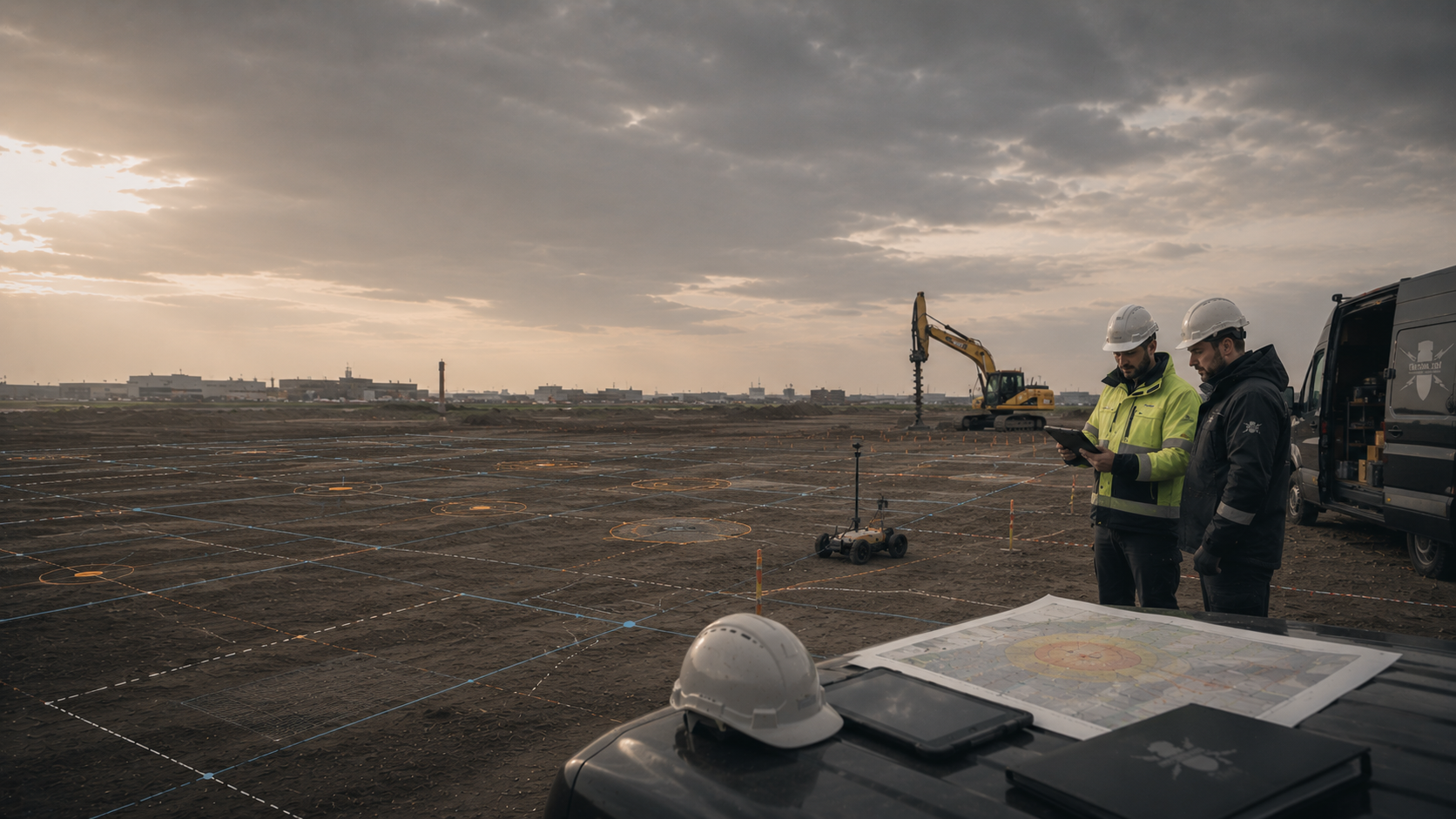
Describe the area to be investigated and conditions on site: surfaces, utilities, foundations, interference sources and access. Also identify areas that will only become accessible later. This information helps agree a suitable method and the possible scope of investigation.
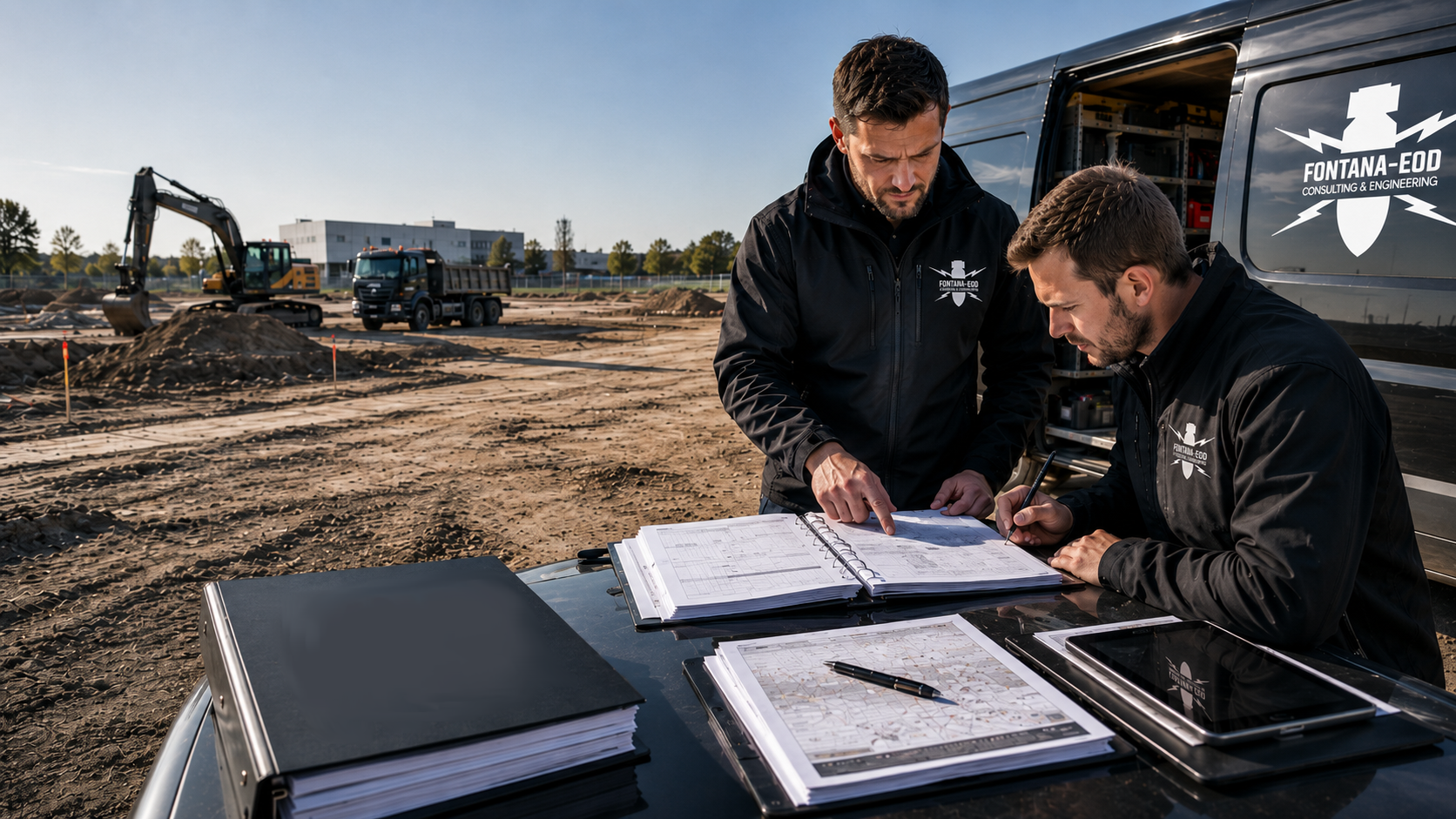
If your question concerns a report, plan or documented subarea, explain its relationship to the current construction task. Describe the unresolved decision and any changes. Your technical enquiry should make clear whether you need clarification of the scope of findings, documentation or a further investigation step.
The construction task determines which information is particularly helpful in the first message.
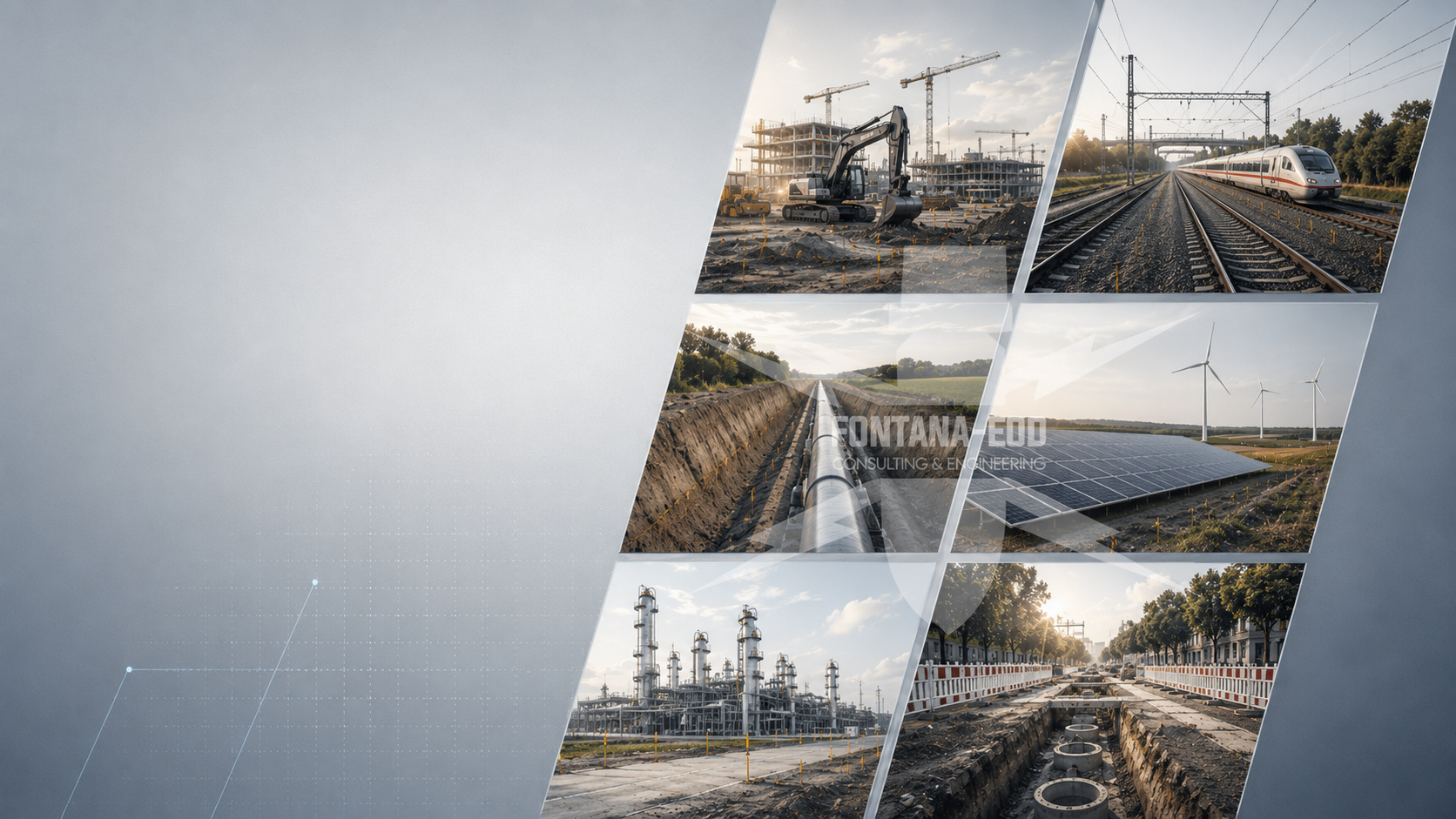
Identify the plot, proposed building and known foundation or construction-pit depths. Preparatory drilling, retaining works and ancillary areas involving ground disturbance form part of the project context. A marked plan helps us understand the enquiry.
Break down the construction project for your enquiryDescribe the route and its sections. Identify chambers, crossings and particular depths separately. Where construction methods or access vary, a section-by-section description helps ensure the technical question is not reduced to the total utility length.
Describe infrastructure tasks clearlyTell us which areas are still built over, paved or operationally active. Planned demolition may change accessibility. Identify proposed time windows and contact persons so that investigation requirements and the construction stage can be coordinated together.
Describe existing site conditions for your enquiryThe enquiry starts a structured discussion. A technical assessment requires a clear commission and sufficient project information.
We review the task described and discuss which details or documents are needed for the next step. Unresolved issues are identified specifically.
The investigation objective, area, depth, accessibility and interfaces with construction operations are considered together. This provides a basis for preparing the required scope of services.
Scope, dates and required findings are agreed separately. Your message helps prepare the work; it does not replace an investigation or clearance.
More about the project processPreparation can begin with a few confirmed details and be completed during discussion.
Explain what is to be built, investigated or changed. The upcoming decision gives your message its focus.
Add the location and plan reference. Separate subareas or points of ground disturbance where the tasks differ.
Identify existing information, reports and known restrictions. Unknown details remain clearly identified as unresolved issues.
State the planning phase and proposed dates. Describe which coordination is needed before the next project step.
Identify a reachable contact for technical questions. An existing case reference helps link the enquiry to previous correspondence.
Use the existing form, email or telephone. For a possible ordnance find, use the official reporting route immediately.
Your message can focus on different decisions within the project.
You want to understand which technical issues need to be clarified for a new project. Describe its use, the ground disturbance and available documents before a particular technical service is selected.
Assess specialist investigation requirementsIdentify the investigation objective, working volumes and required findings. You can provide an existing service specification for discussion; unresolved interfaces remain clearly identified as questions.
Prepare the scope of services and supporting recordsShow what has changed from the previous design. Existing investigations are compared with the new working volumes so that additional questions can be described specifically.
Compare changed designs with existing supporting recordsIdentify the report, date and relevant passage. Describe the decision for which an explanation is needed. Associated plans help establish the scope of the findings.
Understand technical terms and documentsA well-organised set of documents makes follow-up questions and project identification easier.
Technical findings may be accompanied by site plans, survey illustrations, area lists and explanations. State whether annexes are missing or you only have an extract. Refer to the specific question in your message. This helps us read the existing information within its original scope.
Where several revisions exist, identify the current version. Explain which change prompted your enquiry and which drawing is relevant. Older plans can explain the background but should remain identifiable as earlier versions. A brief explanation in your message prevents unnecessary confusion.
For extensive documents or those requiring a joint explanation, the appropriate transfer method can be discussed first. State the file types available and what they cover. An initial location extract can also help explain the task. Send the information needed for the specific technical question.
The enquiry connects your project question with the information actually needed for the next step.
Your message identifies the reason for the enquiry and the decision required.
The area, route, point and depth are related to the project.
Existing findings remain distinguishable from missing information.
Accessibility, existing structures and construction conditions are described.
Follow-up questions and technical handovers have a responsible contact.
The enquiry provides the basis for preparing a specifically agreed specialist commission.
A project enquiry is clearer when tasks and expected responses are assigned to the appropriate parties.
Describe your project, its location and the next question to be clarified. Identify existing documents and a contact person for design-related queries. If a design consultancy coordinates the work, specify its role and contact details.
State the plan revision, affected working volumes and required findings. For tendering or further specialist design, it also matters which services have already been commissioned or completed. Identify the question the proposed investigation should answer and the form of handover subsequently required.
Identify the proposed groundworks and their sequence. Access, construction conditions, available working areas and interfaces with other trades form part of the enquiry. State whether earthworks are already scheduled. The appropriate specialist work is agreed on the basis of the specific information provided.
FONTANA-EOD uses the task described as the basis for technical coordination. The investigation volume, scope of services and required documentation are related to the commission. Information in an initial message remains distinct from services subsequently agreed and investigations actually carried out.
Identify specialist authorities already involved and provide existing information with its full context. Location, case and content determine which requirements need to be followed up for the project. An abbreviated extract without its associated area can make coordination more difficult; annexes and location references should therefore remain together.
Correspondence or requirements issued by authorities should clearly identify their project context and current status. The technical enquiry can take these requirements into account. Decisions are made by the respective competent authorities; existing contacts help assign unresolved coordination matters within the project.
Include existing requirements in the enquiry so that they can be related to the specific commission.
For activities in Germany, the Explosives Act distinguishes between a company licence, personal competence and responsibility. The First Ordinance to the Explosives Act (1. SprengV) includes requirements for specialist knowledge and recognised training courses. State the proposed activity and required supporting records in your enquiry. Their specific scope is agreed before commissioning. For work outside Germany, the requirements applicable at the place of work are checked separately.
A risk assessment concerns the actual work and its conditions. DGUV Information 201-027 addresses protective measures in explosive ordnance clearance work. DGUV Rule 113-003 concerns the dismantling or destruction of explosives or related items, including the disposal of found munitions. BFR KMR guidance is considered within its respective scope of application.
Provide existing correspondence from authorities or the competent KBD with its date and project reference. A possible ordnance find must be reported to the police immediately: call 110 in Germany or 113 in Luxembourg. The competent authorities take responsibility for further hazard response. The contact form is for project enquiries. Immediate reporting of a find must use the official reporting route.
A specific question is more helpful than a lengthy description. First identify the decision for which you need support, then organise the available information around it.
You have a construction project and want to know which technical information is needed first. Describe the proposed groundworks and current information. Tell us whether information, an investigation or a specific requirement already exists. Unknown details can be identified as unresolved issues; there is no need to replace them with assumptions when first contacting us.
Assess the unresolved technical taskFor a quotation, describe the investigation objective and working volume as clearly as possible. Also state the findings required and known constraints. An existing service specification can be attached. Unresolved interfaces between specialist services should remain clear so that the subsequent scope can be agreed transparently.
Agree the scope of services and supporting recordsIf your enquiry concerns a report or quotation, identify its title and revision. Describe the specific passage or decision that needs clarification. Associated plans and annexes help establish the context. This makes clear whether the question concerns the original task or a construction design that has since changed.
Send a specific question about documentsOur offices in Gersheim and Wesseling are your organisational points of contact. We coordinate the place of work and your project requirements on a project-specific basis.
Am Kaninchenberg 5
66453 Gersheim
Germany
For project enquiries, use our central telephone number or info@fontana-eod.de.
Bonner Straße 72
50389 Wesseling
Germany
You can also send organisational questions about existing cases to office@fontana-eod.de.
Construction tasks, local responsibilities and working conditions vary. Please therefore tell us the specific location and required service.
Regions and areas of operationThe offices are organisational contact points. Technical preparation is based on the location of your project.
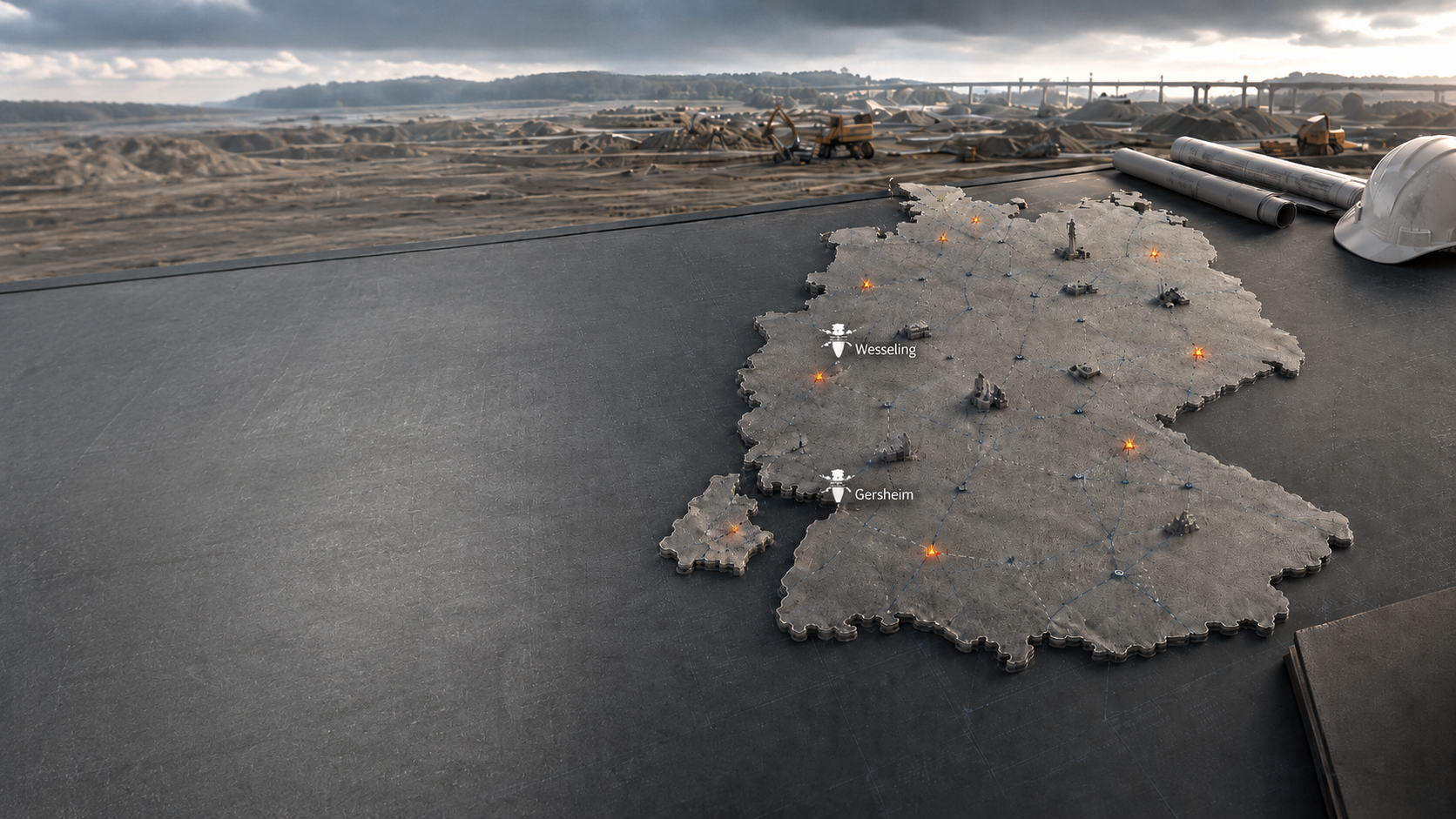
Provide the address, municipality and available land-parcel reference. Identify existing local information by its case reference. The location helps relate documents and contacts already involved to the correct project task.
Relate the project location to existing informationFor dispersed construction areas, describe the location, ground disturbance and current status separately for each. Shared contacts can be identified. Differences between subareas remain visible so that the enquiry does not inadvertently assume the same information is available for every location.
Describe dispersed project areas clearlyThe following areas help you prepare your documents and technical question.
Existing information and assessments are brought together with maps and spatial references. Identify the unresolved question and whether the current design differs from the area originally investigated.
Understand historical information for your enquiryDescribe the type, area and depth of work as specifically as possible. Include existing installations and access so that method selection can relate to the actual project.
Compare the ground disturbance with possible specialist servicesReports and plans are considered together. Describe what you need to establish and any known limitations so that further coordination requirements remain clear.
Relate supporting records to the project question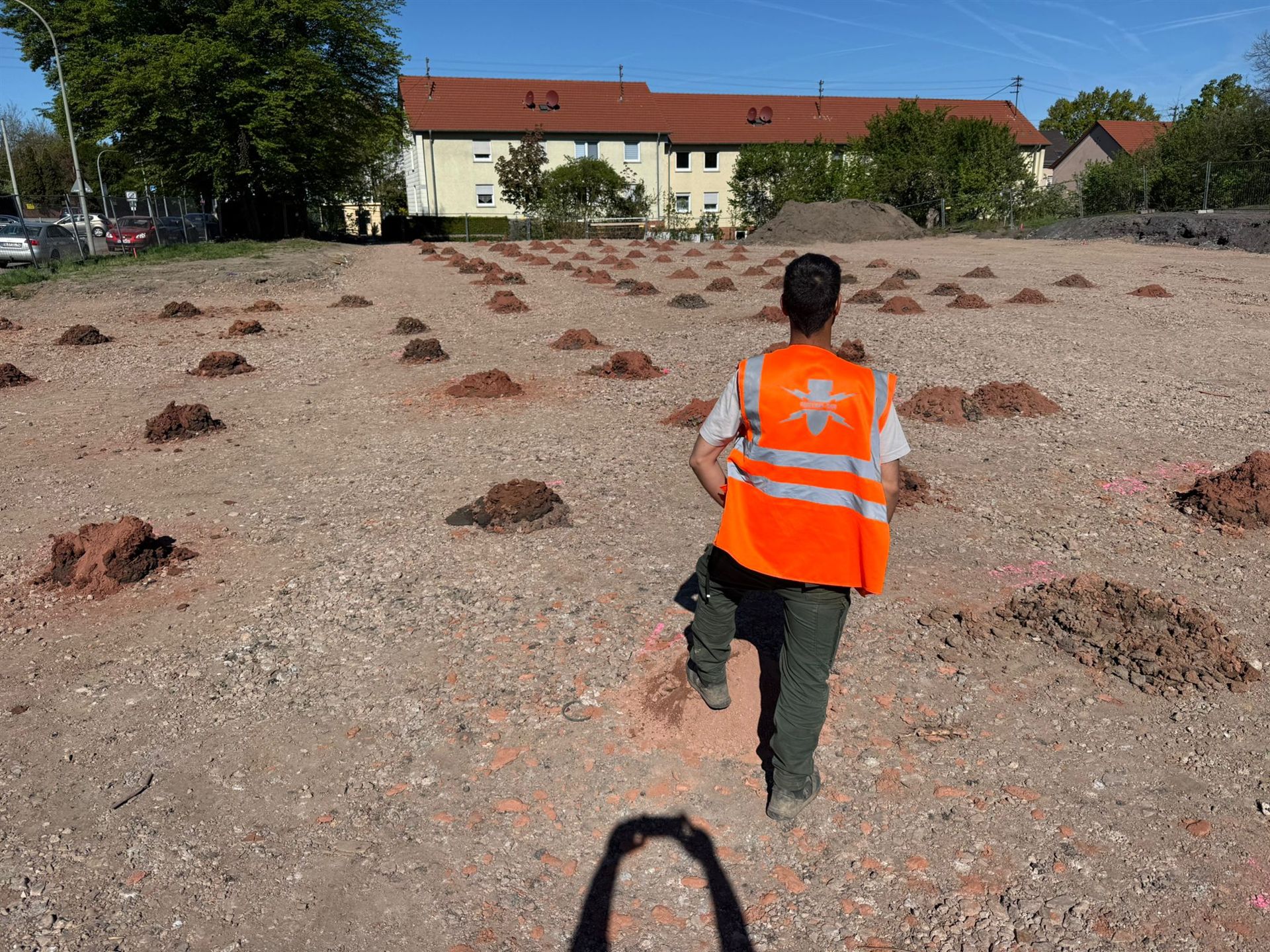
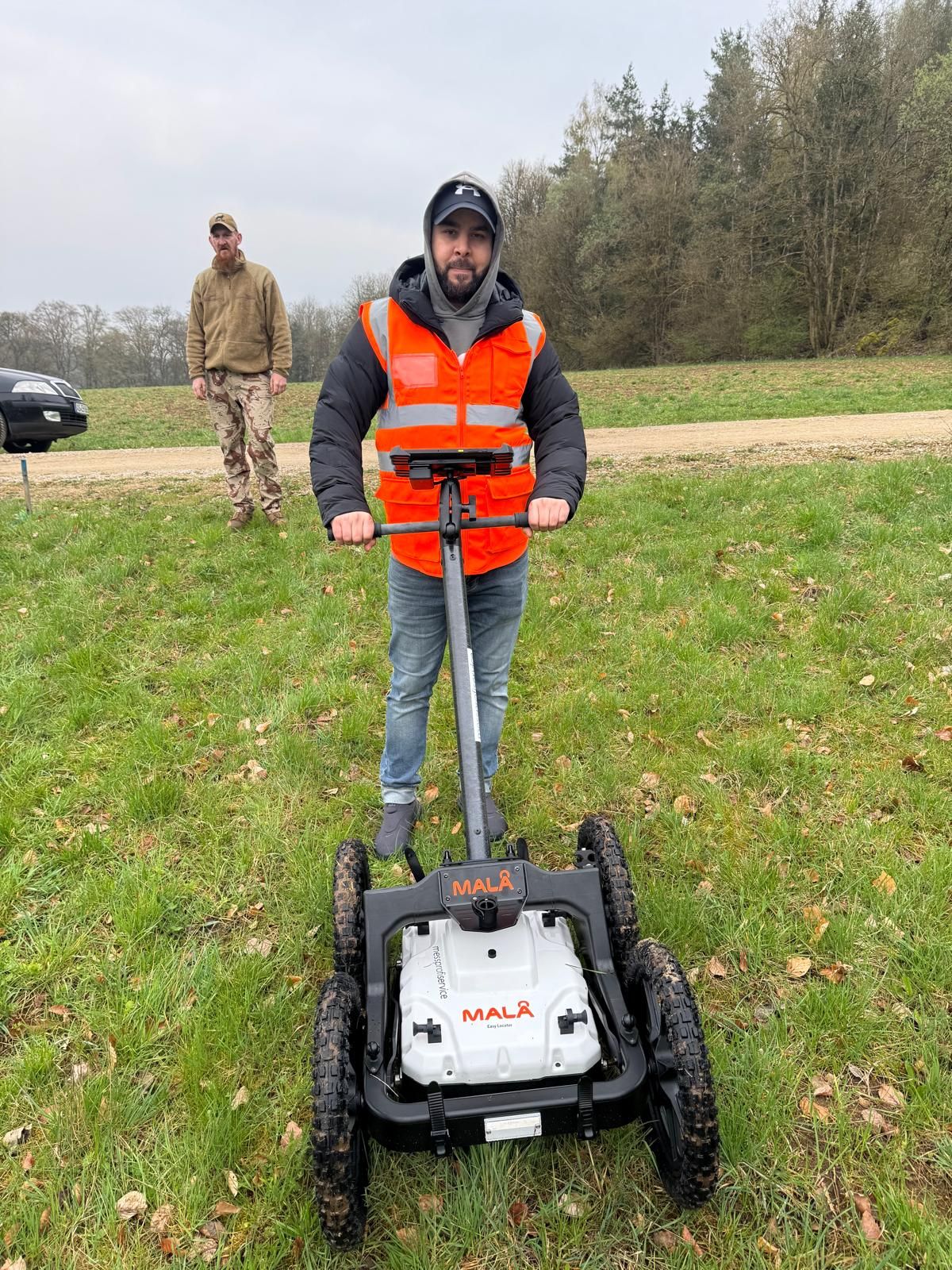
Use the technical overviews if you first want to understand your task or existing documents.
The overview helps distinguish investigation requirements from possible specialist services. A clear description of the unresolved task is sufficient for an initial enquiry.
Assess the services your project may needThe process section connects documents, investigation work and handover of findings. It supports questions about existing records and further planning.
Understand the process and required supporting recordsConstruction tasks vary by use, ground disturbance and technical conditions. The sectors overview helps you describe the appropriate project context in your message.
Identify the project environment for your enquiryThese answers help you prepare your specific project enquiry.
Yes. Describe the current situation and identify the information still missing. The commission and project information required for a technical assessment are then agreed.
Useful information includes the project address or land parcel, a site plan and marked working areas. For routes or several borehole locations, the spatial relationship between individual points of ground disturbance should be clear.
No. Provide the investigation objective, proposed ground disturbance and known conditions. Method selection can then be discussed on the basis of documents, accessibility and survey conditions.
Provide the title and date together with your specific question. Associated maps and annexes should be considered alongside it. Also describe whether the project has changed since that investigation.
The existing form is displayed after consent to the reCAPTCHA category. Alternatively, you can use the telephone or email contact details provided.
For extensive documents, we agree an appropriate transfer method. First describe what the documents cover and your technical question so that they can be assigned to the correct case.
The message starts the discussion. The scope of services, dates and required findings are agreed separately; the enquiry itself does not replace an investigation.
If you suspect an ordnance find, stop work, keep your distance and notify the police immediately: call 110 in Germany or 113 in Luxembourg. Do not touch, move or examine the object. Do not use the contact form for immediate reporting of a find.
Describe your project in a few sentences or call our head office. For extensive documents, we agree an appropriate transfer method with you.
The contact form below is displayed after you consent to the existing reCAPTCHA category. Alternatively, you can contact us by telephone or email.
If you suspect an ordnance find: Stop work immediately, do not touch or move the object, leave the danger area and keep others away without putting yourself at risk. Notify the police or competent local authority immediately. Do not use the contact form for this.
Information about how your details are processed is available in our privacy information.
Do you want to clarify investigation requirements, coordinate a specialist service or have existing documents explained? State the location, proposed groundworks and your specific question. The current information and upcoming decision form the starting point for coordination.


