Project pathway
The quickest route to the right decision.
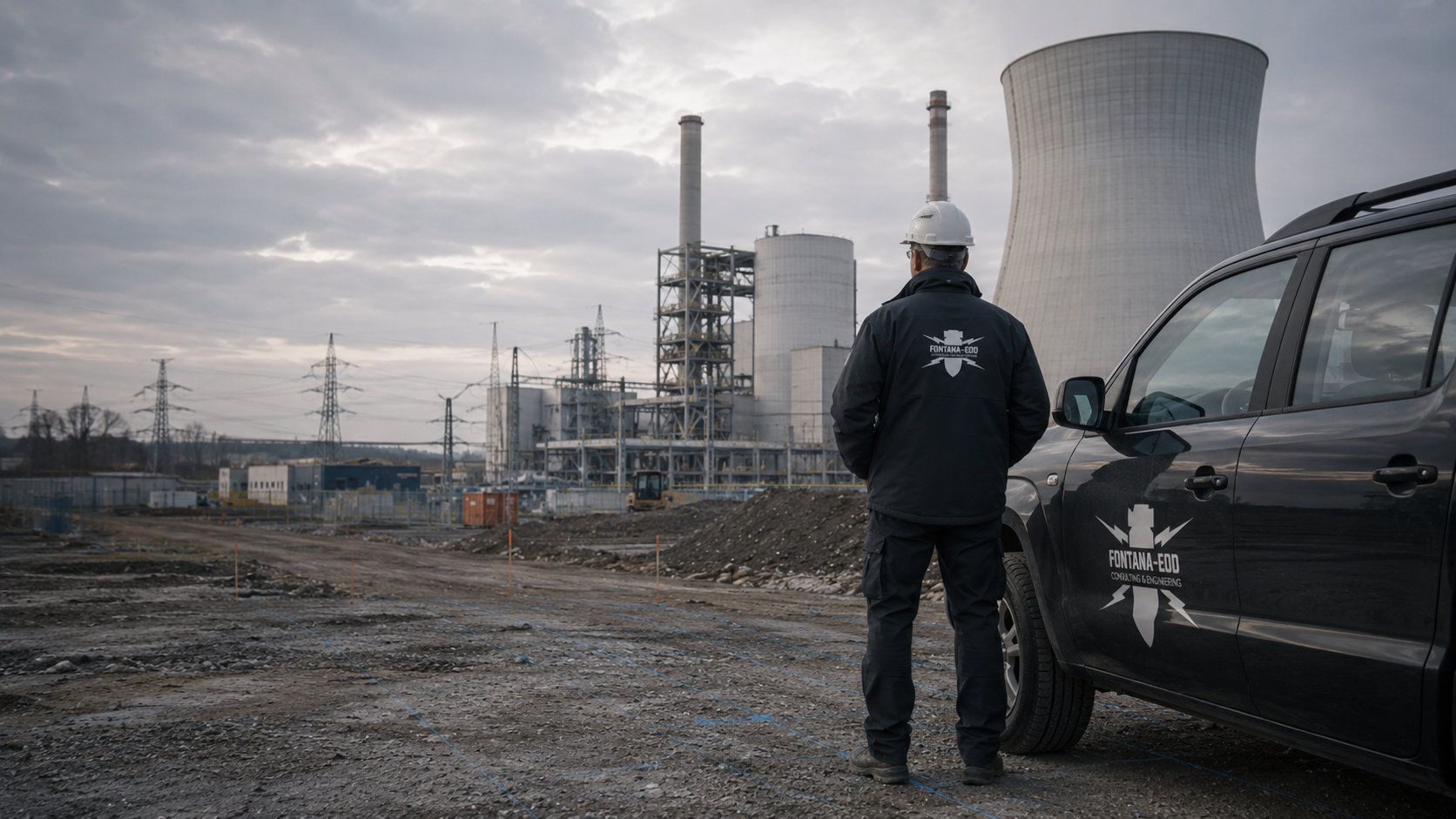
Construction or expansion of a data centre often involves equipment foundations and connections alongside the building. Show where groundworks are planned and which areas will be developed later. FONTANA-EOD clarifies the investigation needed for the next development phase with you and documents the areas covered by the agreed assignment.
Mark current construction areas and later extensions.
Show foundations, trenches and chambers on the plan.
Compare reports with the next construction section.
A property may already have been purchased in full while only part is developed initially. The explosive ordnance assessment therefore requires clarity about which areas and depths are to be addressed now and which are reserved for later extensions. An overall plan does not replace a description of the current ground disturbance. Equally, a report from the first construction phase does not automatically establish findings for all reserved areas.
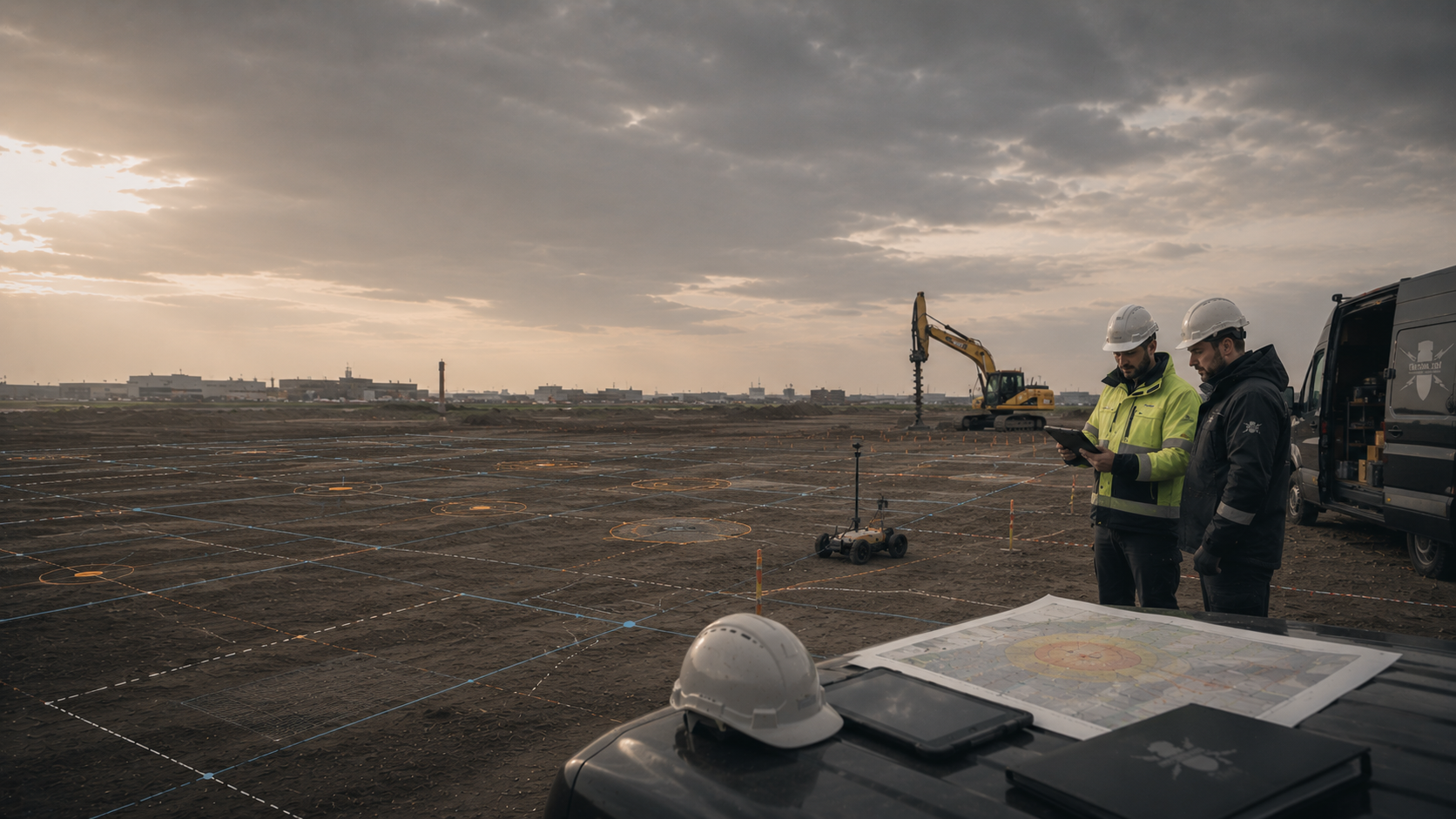
For the enquiry, show not only the building footprint but also foundations, utility connections, chambers and associated working space. Cooling, backup power and other technical equipment may involve separate ground disturbance outside the main building. FONTANA-EOD relates available evidence to these specific tasks. A shared campus plan does not automatically describe all depths and construction activities relevant to the investigation scope.
Select services for buildings and external installationsMark which areas are being constructed now and which are intended for later extension. Reserved land may appear on a site plan without forming part of the current groundworks. Conversely, preparatory utilities may already extend into a later development section. Specialist coordination needs this distinction. The assignment is related to the actual ground disturbance rather than derived solely from the total size of the data centre property.
Coordinate investigation tasks by construction phaseExisting utilities, surfaced areas and technical installations may be relevant when selecting and preparing the investigation. Provide the available as-built information and identify uncertain details. The specialist approach is coordinated with the investigation objective and local conditions. Where operational availability requirements are high, clarify in advance with the responsible parties what the investigation can establish and the working conditions it requires.
Select methods for existing site conditions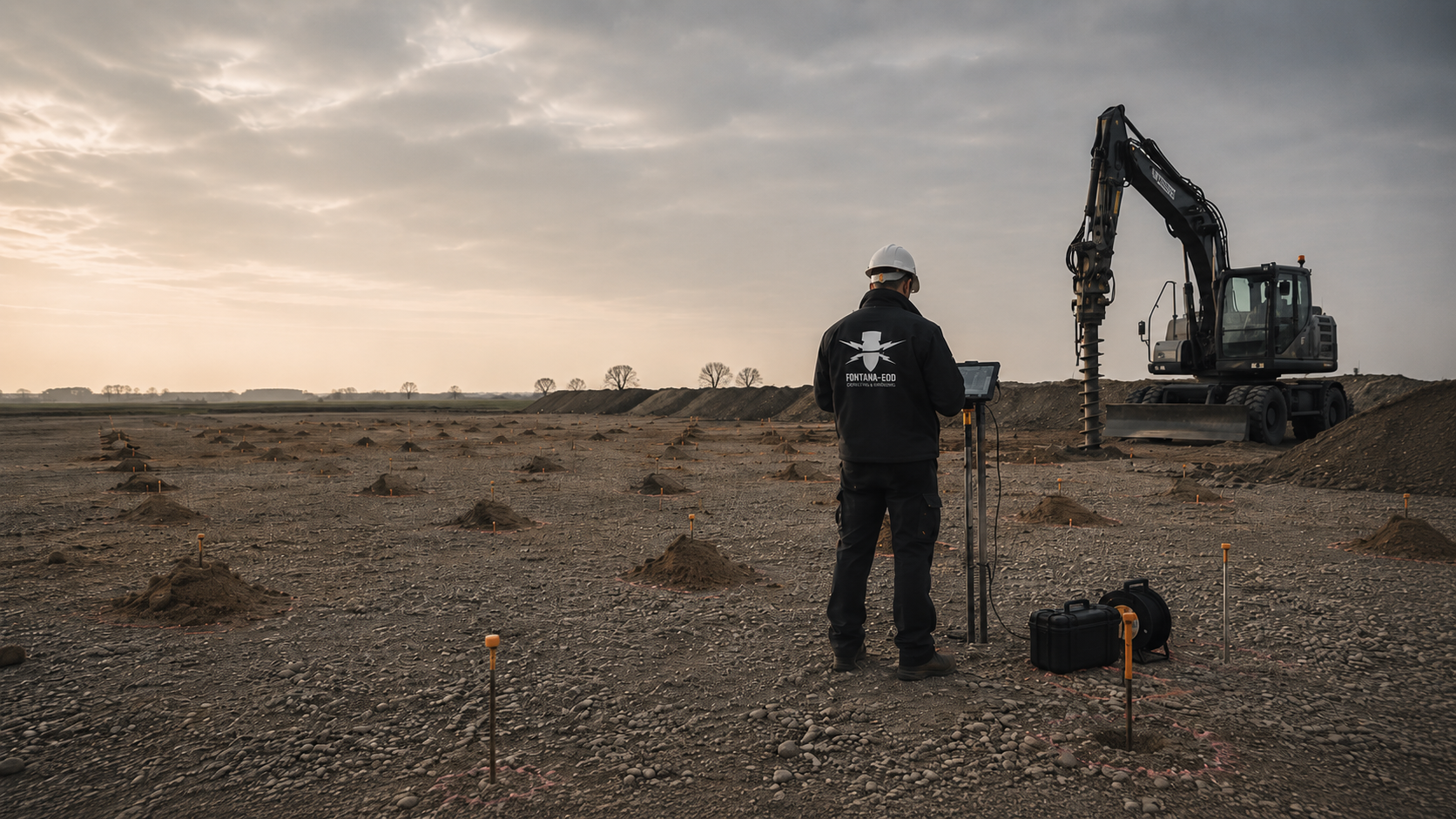
Link the building design to the intended earthworks and required working space. Differing foundation depths, basements and local deeper excavations should be traceable on the plan. Where construction is phased, give each section a clear reference. Assess earlier investigation documentation against whether it addresses the actual scope. A property name alone does not establish the depths and boundaries covered.
Investigate building foundations with their depth references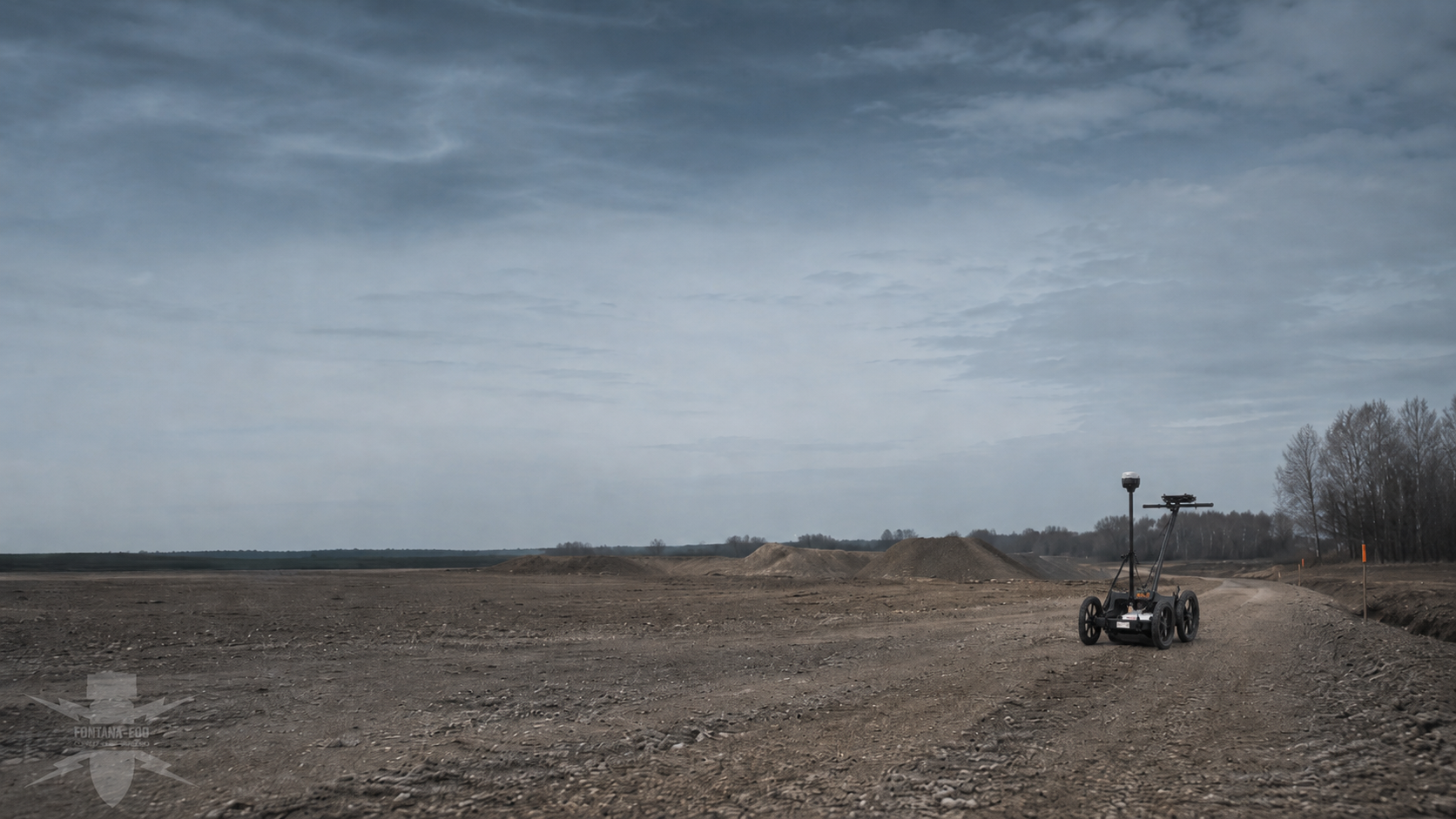
For external technical installations, describe installation areas, foundations and connecting utility routes together. Installation on an already constructed area may involve different groundworks from a new foundation. The enquiry therefore explains the actual construction activity. Utility routes and connection points remain part of the design even if another trade carries them out. The specialist scope needed can then be coordinated as a whole.
Coordinate cooling installations and connection plans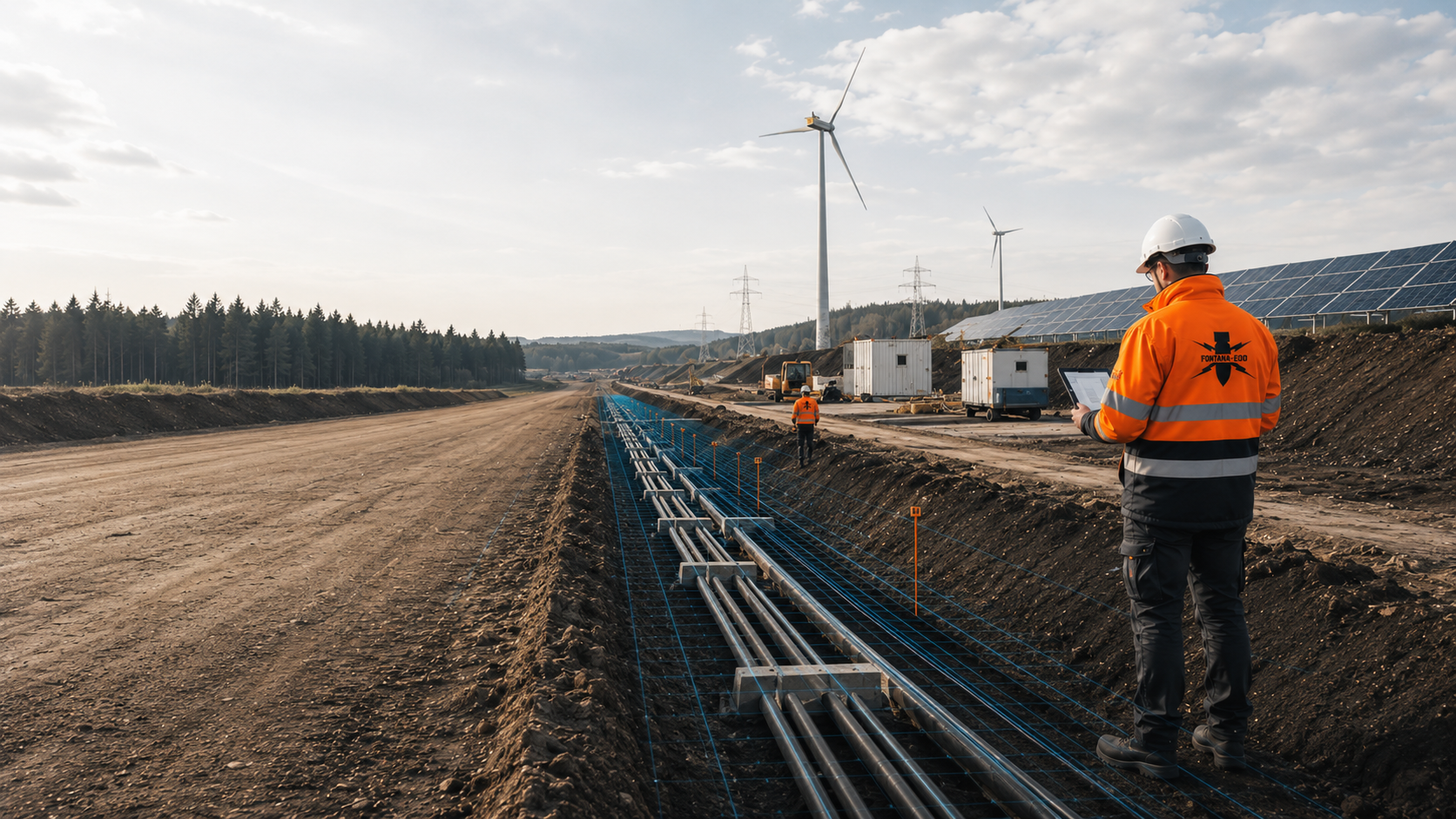
Foundations, cable routes and other structures for backup power installations may involve separate areas of ground disturbance. Provide their locations and depths with the current plan revision. Technical design and operational responsibility remain with the responsible specialists. The explosive ordnance assessment addresses the planned groundworks. The responsible specialists assess the performance and availability of the energy supply.
Assess energy supply and cable routesAccess routes and external areas may require removal in layers, channels, chambers or new connections. Mark individual deeper locations alongside work over wider areas. Include temporary construction access routes in the description where creating them involves ground disturbance. Specialist preparation then relates to the actual construction work. An area's later use does not, by itself, establish its investigation scope.
Clarify methods for access routes and drainageMark the building area and external technical installations currently planned. Identify areas reserved for later phases separately. The enquiry can then focus on the next construction decision and the evidence it requires.
Specify foundations, chambers and utility routes with their actual depths. Even short connection sections may affect separate areas of ground. A coordinated plan helps assign these tasks traceably between the trades involved.
Describe whether adjacent installations are already in use and who can explain the organisational conditions. The specialist contractor coordinates the planned activity with the accessible working area. Provisional information remains identifiable as such.
Show the current excavation or foundation on the site plan and specify the intended level reference. Mark an extension intended for a later phase separately. What matters is whether an existing investigation report actually covers the location and depth now planned, rather than the name of the data centre alone.
If a new cooling installation or standby power installation has its own foundation, for example, include this ground disturbance in the enquiry. Add planned chambers, utility connections and changes to surfaced areas. Your project plan establishes which of these tasks are forthcoming.
If connections lead from an existing building into a new construction section, show the entire affected route. Investigated areas must remain distinguishable from gaps between them. For longer data connections, the information on fibre-optic routes is compared with the intended utility route. Explicitly define which sections belong to the data centre assignment.
The plan shows buildings, ancillary technical installations and connections with their respective boundaries. Show different construction phases distinctly. The specific specialist scope can then be derived from the intended groundworks.
Provide earlier investigation results with all attachments and the plan revision to which they originally relate. A general property note is insufficient for comparison with new foundations or deeper connection pits.
The project contact identifies access arrangements, available areas and relevant organisational requirements. Changes follow a clear reporting route. Specialist planning can then assess how the agreed activity is to be prepared under the actual conditions.
Assign reports and results plans to the respective development phase. Construction management should be able to identify areas addressed, gaps not investigated, level references and specialist limitations. Where several plan revisions exist, it must be traceable which version the investigation relates to. Later extensions can then be compared specifically with existing conditions. Assign necessary follow-up investigations or exposure work to the affected area. Recovery of confirmed explosive ordnance is coordinated with the permitted scope of activities, local responsibilities and documentation requirements. Following actual exposure or clearance work, include the corresponding findings and clearance records.
Keep the explosive ordnance work documentation alongside the technical infrastructure documents. A survey report describes the investigated areas of ground. IT architecture and utility engineering documents answer different specialist questions and are needed separately. Agree which specialist documents are needed for the next step and who makes decisions still open.
Technical foundations: BFR KMR: Clearance planning and clearance concept – introduction · BFR KMR: Geophysics · BFR KMR: Documentation · BSI: INF.2 Data centre and server room, 2022 edition · § 8 ArbSchG: cooperation between employers
The Federal Guidelines on Explosive Ordnance Clearance contain requirements for historical and technical investigation, clearance concepts, procurement and documentation within their defined federal remit. Their application to the specific development phase of the data centre, together with locally applicable requirements and responsibilities, is clarified separately.
Name the construction phase, design status and groundworks actually planned. Include existing investigation results with their location and depth limits. Mark alternative areas as planning still open so that they are not inadvertently treated as part of an already commissioned investigation scope.
Clarify access, available investigation zones and contacts for ongoing operations. Where employees of several employers work at one workplace in Germany, the employers cooperate on occupational safety under § 8 ArbSchG. This includes necessary information about hazards and coordination of protective measures. Specialist design of technical utilities remains identifiable as a separate area of responsibility.
Existing reports and historical evidence are related to the ground disturbance. Ground conditions, utilities, existing foundations and accessible areas determine which technical investigation is suitable. Methods, occupational safety and any necessary preparatory work are coordinated with the operator and construction management before work proceeds.
The commissioned investigation is carried out in the agreed areas of the development phase. Survey data, findings and limitations are recorded with location, depth and plan references.
Data and findings receive specialist interpretation. Unresolved areas, follow-up investigation and the next decision are identified for operators, designers and site management.
Check an additional equipment foundation or changed connection against the documented position. For newly added areas, clarify which evidence already exists and whether further investigations are required. The handover to construction management records what is clarified for the next construction section and which questions remain open.
Method selection requires details of relevant utilities, underground structures and surface conditions. The affected plan extracts suffice for initial coordination; access credentials or complete IT network plans are not needed for this. Any further documents required by specialists and their transfer route are coordinated with the operator.
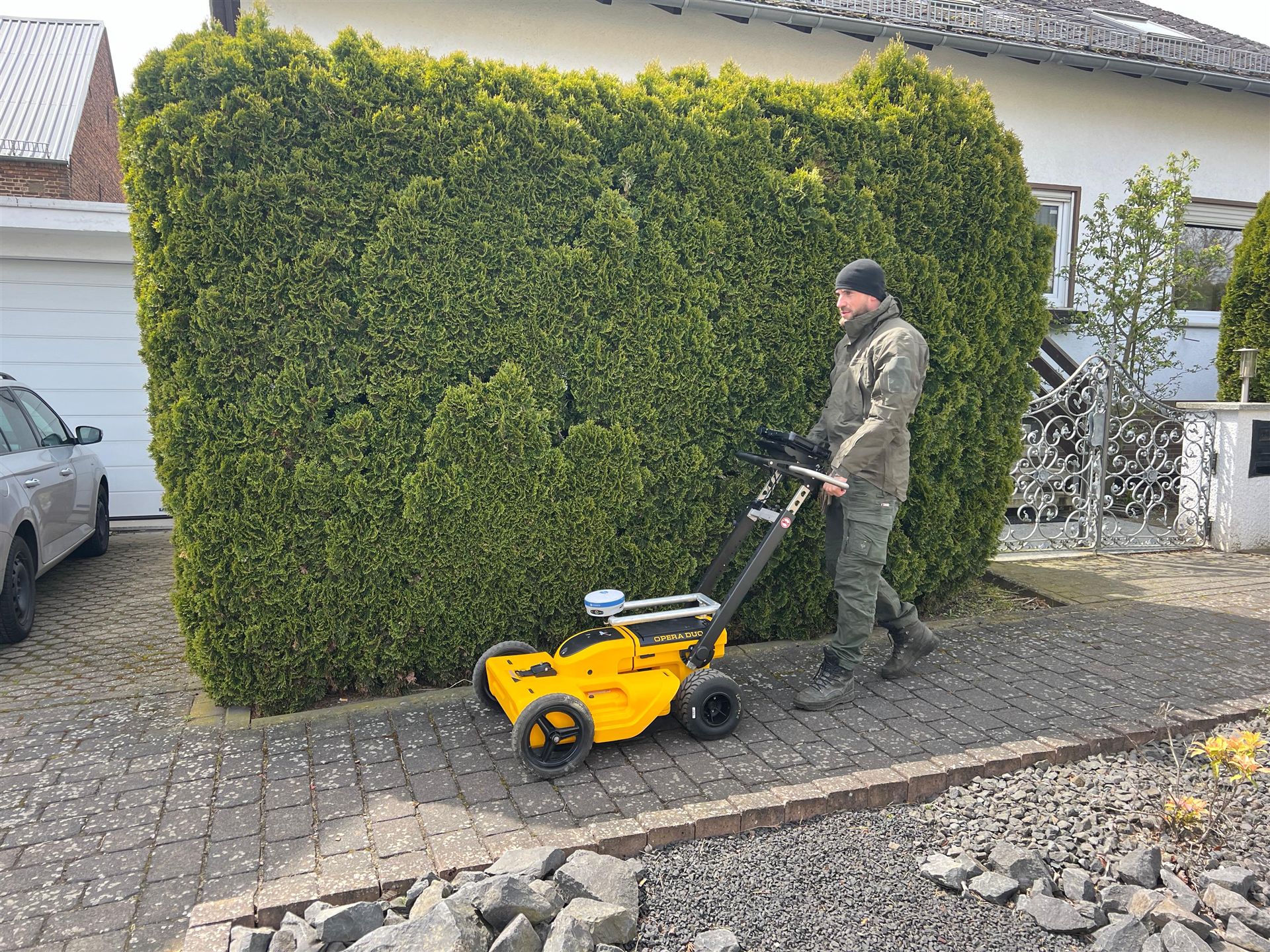
Metal utilities, reinforcement and existing foundations can affect geophysical surveys. Describe what will remain before the investigation and which structures have already been removed. Whether a surface survey or another method is suitable for the planned ground disturbance is assessed using these conditions. A fixed survey depth cannot be specified for every data centre. Necessary investigations and protective measures are planned before ground disturbance during vegetation clearance, dismantling, surface breaking or creation of access routes and working areas. Areas becoming accessible later are investigated before the respective subsequent ground disturbance.
Operational access rules, availability of working areas and the sequence of construction phases are clarified with those responsible for the data centre. Availability and IT security have their own subjects of assessment. Availability classes, IT security certificates and technical operating permissions are clarified with the responsible specialists. The operator coordinates necessary operational adjustments with the parties involved.
Utility trenches, new foundations and areas reserved for later development may require different investigations. Selection is related to each construction section and its documented plan revision.
Historical aerial photograph assessment and other old records help place the basis for suspicion in its spatial context. The available images, their evidential value and the limits of the area considered matter. The absence of an identifiable indication must be distinguished from a technically surveyed ground area. The assessment is considered together with the planned intervention and other available findings. It can support the choice of a survey, but is not a measurement of the present-day subsurface or confirmation for all future works.
Understand aerial photograph assessmentMagnetometric methods detect magnetic anomalies. Whether they can address the specific survey task depends, among other things, on the expected objects, ground conditions, interference and required survey area. Fences, utilities or existing structures may affect interpretation. A measurement signal is therefore not described as ordnance solely because of its strength. Method, interpretation and any further investigation are planned as a connected specialist task.
Understand the scope of magnetometryElectromagnetic surveys may be suitable for particular metallic targets and site conditions. TDEM detects the time-dependent electromagnetic responses of electrically conductive bodies. Suitability is justified for the particular task, not inferred merely from the availability of equipment. Interfering installations, accessible areas and the required conclusion must also be considered. Results are documented with location and survey conditions. Whether a complementary method is needed follows from the specialist assessment and remains a specific project decision.
Understand electromagnetic surveyingUnder suitable conditions, ground-penetrating radar can provide information about subsurface structures and reflections. Ground conditions, moisture, installations and the particular survey task affect interpretability. An anomaly is not automatically ordnance, and an area with no apparent anomalies is not general evidence for arbitrary depths. The specialist interpretation and its limits are documented with the instruction. A survey for another purpose is not adopted without checking as ordnance evidence.
GPR and limitationsFor deeper ground interventions, it may be necessary to assess whether surveying from the surface can provide the required assessment or a different approach is needed. For individual foundation or chamber locations, the ground volume to be assessed and achievable survey coverage are compared before a borehole grid is defined. Necessary surveys and protective measures are defined before boreholes are created. Location, depth, borehole arrangement and existing utilities then form part of preparation. Creating survey access must also be planned using a technically suitable approach. A general depth figure or standard grid does not replace this task. Results remain limited to the areas actually addressed and the method used. For surveys from investigation boreholes, casing, drilling depth and documentation are also coordinated with the task and site conditions.
Prepare deep interventionsIf a necessary preliminary survey cannot be completed in full, the suitability of a technically planned approach during construction is assessed. Each working layer is technically surveyed and evaluated before controlled removal in layers with supplementary visual inspection follows. The steps are repeated to the agreed excavation formation. Excavation layers, stop signal, authority to give instructions, reporting channels and documentation are agreed with site management and specialists before work starts. Pure visual observation of the excavation cannot simply replace a necessary instrumental survey. Site management needs a clear description of when specialist works take place, how new findings are handled and which areas remain outstanding.
Agree the approach during constructionFONTANA-EOD coordinates the explosive ordnance specialist work with the current construction section and ground disturbance actually planned. Available evidence, plan revisions and operating conditions are considered together. The assignment describes a specific task. The documentation then records the scope completed. This keeps the specialist contribution traceable even where the site develops through several construction phases or with changing project parties.
Discuss the investigation taskThe construction design team explains structures, depths and changes. The operator or its project contact describes access and operating conditions in areas already in use. These tasks may require different contacts. Coordination records who supplies information still open. Specialist preparation focuses on the specific works; organisational and technical decisions remain with the named responsible parties.
For an extension beside an operational building, it must be clear which areas are actually available for the agreed work. Construction access, the working area and adjacent use are coordinated with the operator. Inaccessible areas remain identified in the design. Feasibility is clarified for individual areas and activities using the actual working conditions.
If cable routes, utilities or equipment foundations move on the plan, provide the specialist contractor with the revised version. Comparison with the earlier investigation scope is based on location and depth. Even a functionally equivalent technical solution may affect different ground. Retain the earlier documentation. Assign any additional specialist question as a traceable supplement before the affected earthworks are carried out.
Assign reports and attachments to the respective construction section and plan revision. Completed areas, limitations and connection points still open should remain identifiable for further planning. The documentation can then also be used meaningfully for later extensions. An overall statement about the site does not replace this allocation. For each new project, check whether the earlier specialist work actually covers the intended construction activity.
At an early stage, show the current development stage separately from possible later areas. Identify construction boundaries already fixed and options still open. Available evidence can then be related specifically to the next design decision. This does not automatically entail technical investigation of every possible future option. The specific scope is agreed from the selected construction task and its actual ground disturbance.
The specification should identify the building, external technical installations and connections with their respective depths. Provide existing reports in full with the corresponding plans. Known operational restrictions also belong in preparation. Quotations can then relate to a traceable task. Routes still unresolved or land reserved for later phases are not presented as an investigation scope already defined conclusively.
For work beside an operational data centre, organisational conditions are coordinated with the operator. The specialist contractor describes the requirements of the planned investigation. A specific sequence is developed from this. The actual working area and possible changes to prerequisites are therefore addressed traceably during the work.
An additional equipment container, altered cooling unit or new connecting utility may involve separate ground disturbance. Compare the new plan with the earlier report. What matters is the area and depth addressed at the time. Continue to use existing findings where applicable. Give a new task its own reference rather than simply assigning it under the earlier name of the entire campus.
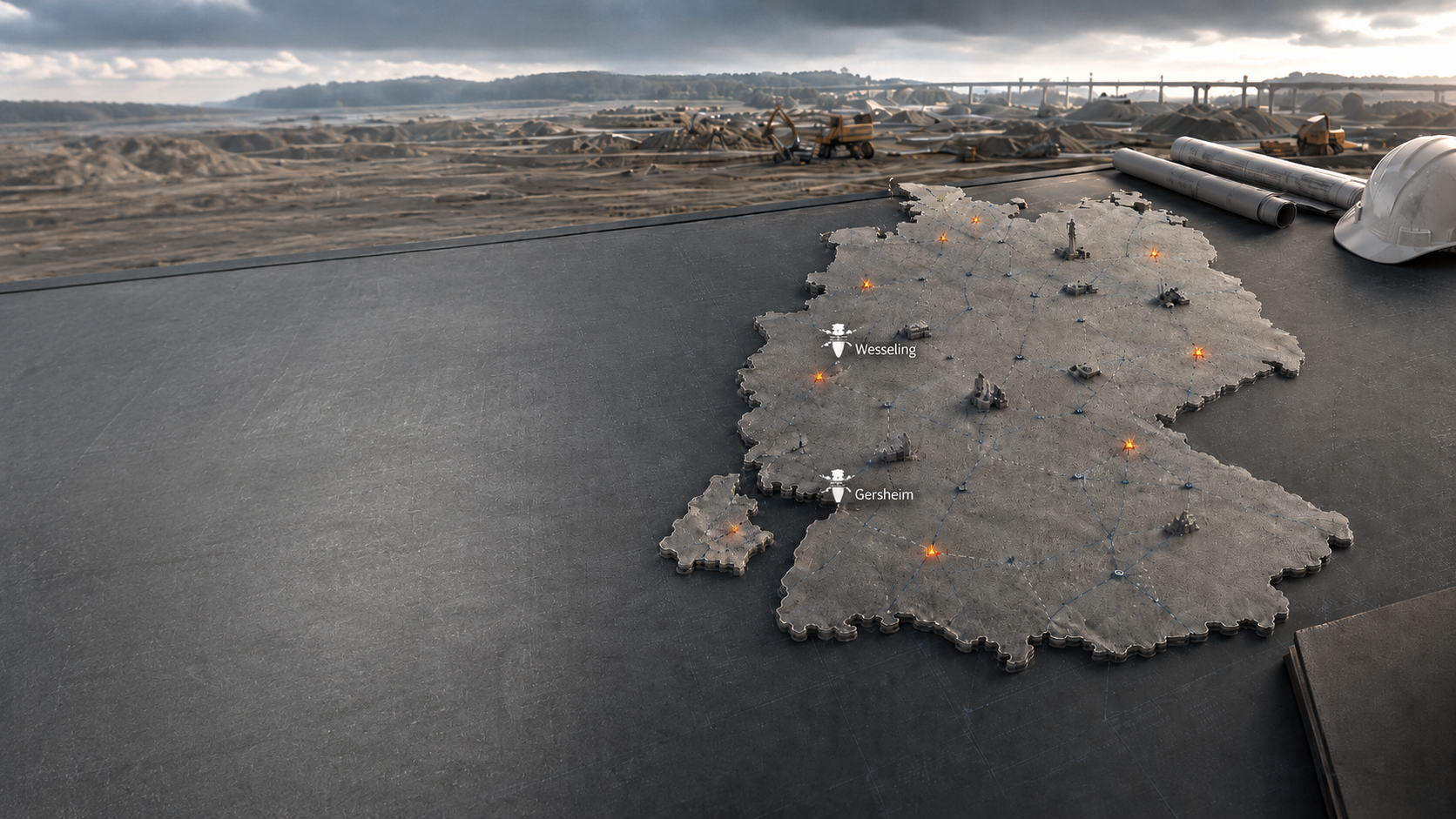
Name the site and mark the affected building or external technical installation. Where several development areas exist, use consistent names on the plan. Add an available project contact and the intended construction access route. The regional overview helps identify the location. Specialist preparation, however, depends on the specific groundworks and conditions actually applicable at this site.
Provide project-specific information, earlier reports and relevant operator requirements with their stated scope. Documentation for the first development stage may cover a different scope from the current extension. Establish these differences before using it. Keep the responsible bodies named for queries. Existing requirements and specialist findings can then inform the next construction section together.
In its INF.2 module, 2022 edition, the BSI includes technical support areas such as power and cooling supply alongside IT operating areas. This distinction helps construction preparation: mark the planned external installations and their underground connections. The explosive ordnance investigation assesses the agreed area of ground. The responsible specialists address IT security and availability requirements.
A structure's technical function does not define its ground disturbance. Installing a cooling unit, constructing its foundation and connecting utilities may be separate tasks. The specialist enquiry describes these construction elements. An investigation report is subsequently used for precisely this scope. Assessment of the later technical function remains with the responsible specialist designers and operator.
Explore results and terminologyAn area may be reserved for later extension without having been investigated to the same extent as the first construction phase. Documentation therefore distinguishes planning from specialist work carried out. When the extension proceeds, compare available evidence with the specific new construction task. The documented position remains traceable even as the campus plan changes over time.
Document reserved areas and their investigation statusDocument evaluation, investigation and specialist supervision during construction serve different purposes. The enquiry can initially describe the construction question and available evidence. The services overview supports the subsequent assessment. FONTANA-EOD then coordinates the scope needed for the specific section. Naming a single method should not obscure what needs to be established for the foundation, utility or external installation.
Assemble appropriate investigation servicesThe design links technical equipment with the groundworks it actually requires. Changes to routes and foundations are recorded clearly. Comparison with the documented investigation scope therefore remains possible for a later development stage too.
The operator explains site conditions and the interface with ongoing operations. This information is coordinated with the planned activity. Statements about technical availability remain part of the specialist tasks responsible for them.
The specialist contractor addresses the agreed explosive ordnance question and documents the work carried out. The report and attachments describe its spatial scope. For further groundworks, compare this evidence with the new design.
In Germany, state ordnance disposal services and locally competent authorities carry out hazard response and find management. Their involvement and public-order or building-control tasks are established for the project location. Outside Germany, local responsibilities apply. Contacts, requirements and reporting are assigned to the specific works.
In Germany, a possible ordnance find is reported immediately to the police on 110. Authorities arrange hazard response and involve the public ordnance disposal service under local procedures. Outside Germany, the local emergency procedure applies. Operating processes and private specialist work are assigned separately in project organisation.
The operator describes conditions in areas already in use. Technical designers are responsible for the respective equipment design and explain its construction requirements. The specific groundworks are derived from these for the explosive ordnance assessment. Specialist results remain assigned to their respective tasks. The responsible specialists and operator assess technical availability, redundancy and operational safety.
The design team keeps the location and depth of ground disturbance up to date. Construction management assigns available results documentation to forthcoming work. If a foundation or connection route changes, the new position is compared by specialists before the affected ground disturbance. This also applies to additional work within external areas already constructed. Retain existing documentation as a basis and supplement it specifically where needed.
FONTANA-EOD documents the agreed explosive ordnance specialist work. The responsible bodies provide project-specific authority decisions and other technical assessments. The project team brings these documents together. Their subjects, spatial references and open requirements remain identifiable. The next construction phase builds on the specialist findings actually established and clearly assigned responsibilities.
In Germany, the requirements for permission, competence and responsibility under the Explosives Act and the 1. SprengV are clarified for the planned activities. § 7 SprengG concerns the commercial permit for activities requiring permission, while § 20 SprengG concerns the certificate of competence for responsible persons. Under § 1b SprengG, searching for found ammunition also constitutes handling. The DGUV Information 201-027 supports the task-specific risk assessment. The DGUV Rule 113-003 is taken into account for relevant activities within its remit of dismantling or destroying explosives or corresponding objects and disposing of found ammunition. The BFR KMR contain requirements within their defined federal remit; their application to the specific development phase of the data centre and site-specific requirements are coordinated with the responsible bodies.

Provide older plans and aerial photographs with their spatial references. Identify known differences from the present-day property and buildings. Specialist evaluation relates this information to the planned works. A historical extract alone does not establish a comprehensive conclusion about all future development areas. Further investigation is defined using the available evidence and specific construction task.
Explore the historical basis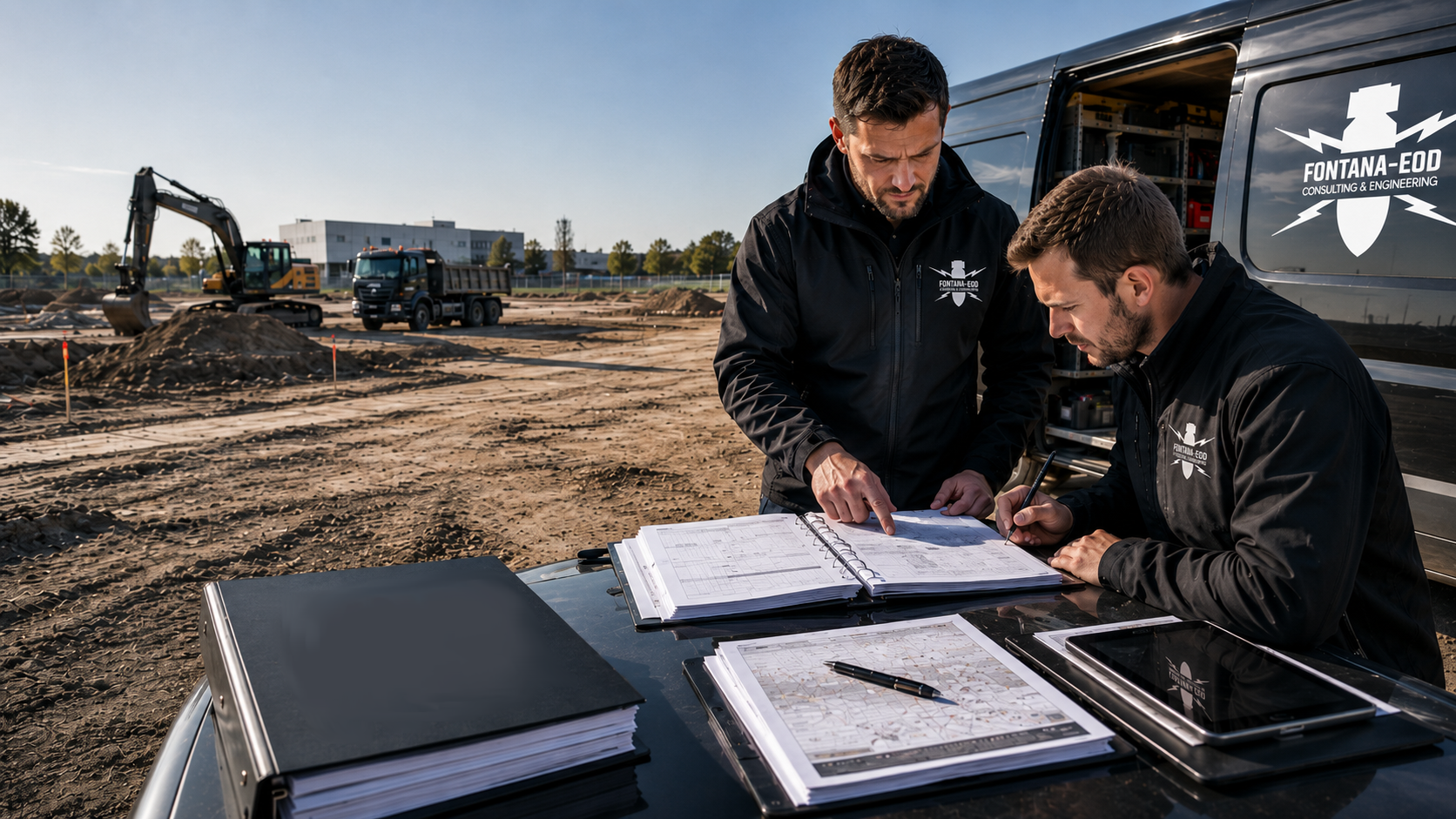
Photographs can illustrate accessible areas, surfacing and visible installations. Assign them to the plan and respective construction conditions. Their creation and sharing are coordinated with the conditions applicable at the site. Only information needed for explosive ordnance specialist planning is supplied. A general record of the internal IT structure is not the starting point for describing a foundation or cable trench.
Understand documentationKeep reports, plans and relevant attachments together. A later project party should be able to identify the construction section and ground disturbance addressed. Limitations and areas not investigated form part of that record. For additional equipment or new building areas, compare the documentation again with the current plan. This keeps it usable without inadvertently extending its original spatial scope.
Documenting results clearly
A data centre combines buildings, energy supply, cooling and traffic areas. The critical infrastructure overview helps identify these different tasks. The specific ground disturbance governs the explosive ordnance assessment. A shared technical function does not mean a single investigation scope for every area of the site. Describe each construction task traceably with its location, depth and existing documentation.
Assess critical infrastructure requirementsThe services overview explains preparation, investigation and documentation activities. Provide current construction plans and available reports so that open questions can be assessed specifically. Specialist coordination relates to the actual construction section. A general site name replaces neither its spatial definition nor clarification of the conditions under which the agreed activity is to be carried out.
Compare servicesTechnical information
Work at critical infrastructure requires careful coordination with operations and construction design. The brochure explains preparation, suitable investigations and traceable result documentation.

The suspected hazard, applicable requirements and specific construction task determine investigation requirements. Ground disturbance currently commissioned and land reserved for later phases should be separately identifiable on the plan.
Only where these areas and their ground disturbance depths belong to the documented investigation scope. Additional technical areas are included explicitly in the design; proximity to an already investigated building alone is insufficient.
The affected site plan, intended groundworks and existing explosive ordnance documentation are decisive for initial assessment. Access credentials are not intended for this purpose. Any further as-built information needed by specialists is then coordinated specifically with the operator.
Costs depend on the area and depth of the current groundworks, ground conditions, existing foundations, utilities and other sources of interference, available evidence and the suitable method. Accessible working areas and coordination with neighbouring operational installations influence the sequence. The quotation covers the investigation scope agreed for the specific development phase, including evaluation and documentation; areas reserved for later phases remain identifiable as a separate design status.
Compare the new location, depth and construction activity with the existing report. Areas not covered or changed investigation conditions must be clarified by specialists before work there proceeds. Existing documentation is not applied to the changed assignment without assessment.
Mark unavailable areas and coordinate construction access, working areas and adjacent use with the operator. Relate the agreed investigation scope to the conditions actually accessible. Areas still open remain identifiable in the design.
Assign the report and results plans to the respective development phase and the plan version actually used. Where several versions exist in parallel, this reference must remain unambiguous. It then shows which design was investigated and which changes need additional comparison.
If an unexpected suspicious object is found, stop work in the affected area immediately. Do not touch, move or uncover it further. Leave the immediate area, keep your distance and keep others away without putting yourself at risk. In Germany, notify the police immediately on 110; outside Germany, use the local emergency procedure. The authorities determine what happens next. Inform the operator, site management and the client; internal reporting must not delay the emergency call.
Send the plan for the next development phase with locations, intended ground disturbance depths and reference levels. Mark buildings, equipment foundations, utility connections and areas reserved for later phases separately. Include existing investigation reports and all attachments.
Name the operator contact responsible for access and technical conditions. Add available working areas, construction periods and the planned construction sequence. We will discuss the investigation needed for the current development phase and clarify with you which details are still missing for a suitable quotation.
Whether historical aerial photograph analysis, explosive ordnance surveying, surface surveying using GPR, magnetometry or TDEM, deep-ground surveys, downhole surveys, excavation supervision, area clearance or ordnance recovery is needed depends on the location, ground disturbance, depth, ground and existing documents. An early ordnance assessment provides clarity for tendering, programming, occupational safety and construction.
FONTANA-EOD combines its Section 7 SprengG licence, specialists holding Section 20 SprengG certificates of competence, suitable survey and clearance methods, and traceable documentation. Send the site plan, depth of ground disturbance, construction phase and existing documents for an initial technical assessment.


